This guide to South India hill stations for couples is built from six destinations, one base city, and the consistent discovery that the best view is always available to whoever leaves earliest.
We live in Bengaluru. The mountains are four to twelve hours away, depending on which direction we point the car. We have pointed it in every direction.
The Nilgiris to the south: Ooty, Coonoor, Kotagiri. Kodaikanal further south, deeper into Tamil Nadu. Wayanad to the southwest, dropping into Kerala through the Western Ghats. Chikmagalur and Sakleshpura to the west, in the coffee country. Nandi Hills to the north, close enough for a sunrise and a return before lunch.
Every trip starts the same way. We leave at midnight. Our own car. Indian highways between midnight and dawn belong to a different country. The trucks thin out, the heat disappears, the road opens. By sunrise, we are in the hills, and the day that most travellers spend fighting traffic is already behind us.
This article covers the hill stations we have driven to from Bengaluru as a couple: what each one offers, what each one costs, and the specific quality of stillness that each one carries. They are not the same stillness. Kotagiri’s silence is different from Kodaikanal’s. Wayanad’s green is different from Chikmagalur’s. The mountains do not repeat themselves, even when they share the same range.
“The mountains do not require a budget. They require a midnight departure and a tank of fuel. The day that most travellers spend fighting traffic is already behind you by the time the first viewpoint appears.”
The Nilgiris: Why We Chose Kotagiri Over Ooty
The first road trip was with Sumana’s father. May 2023. We left Bengaluru at 6 AM…the one significant departure from our midnight rule. The maps said six and a half hours. The drive took twelve.
The mathematics of why it took twelve hours: NH275 through Karnataka is smooth. The Bandipur forest crossing is slow but rewarding. An elephant crossed our road at a pace that made our schedule irrelevant. Sumana’s father, sitting in the back seat, raised his phone through the windshield and took a photograph that remains one of our most valued from that trip. The deer, the monkeys, the deep green of the forest canopy…Bandipur was the highlight of a drive that was supposed to be a transit. Then we entered Tamil Nadu, and Ooty’s traffic erased every minute the highway had given us. The approach roads were congested. The queues were long. The town itself, when we finally drove through it, was a traffic problem wearing a hill station’s name.
This is why we chose Kotagiri.
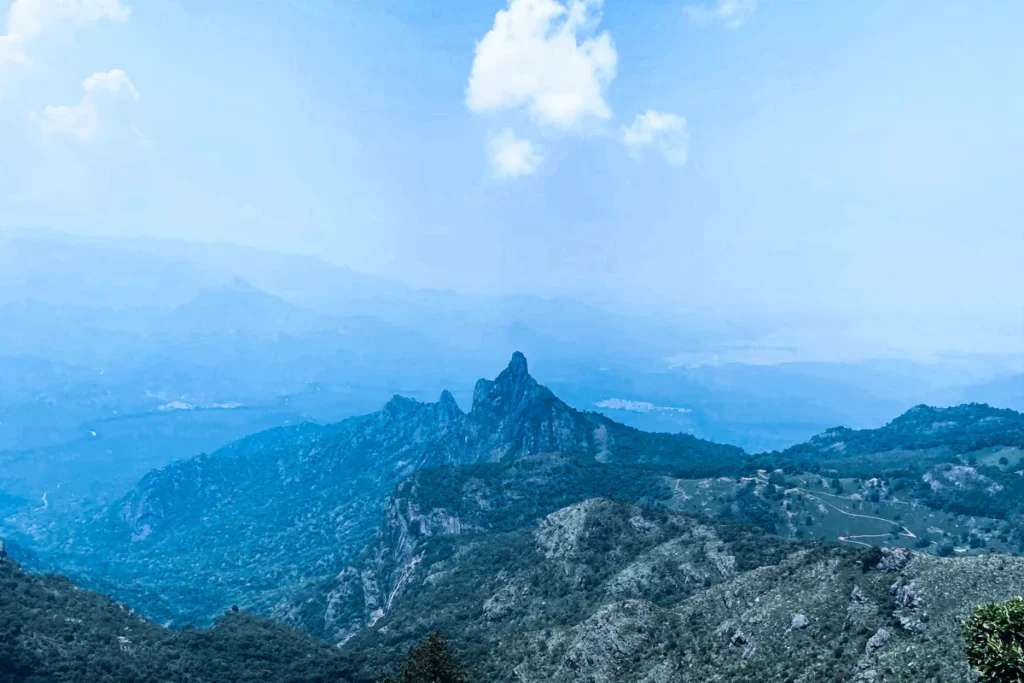
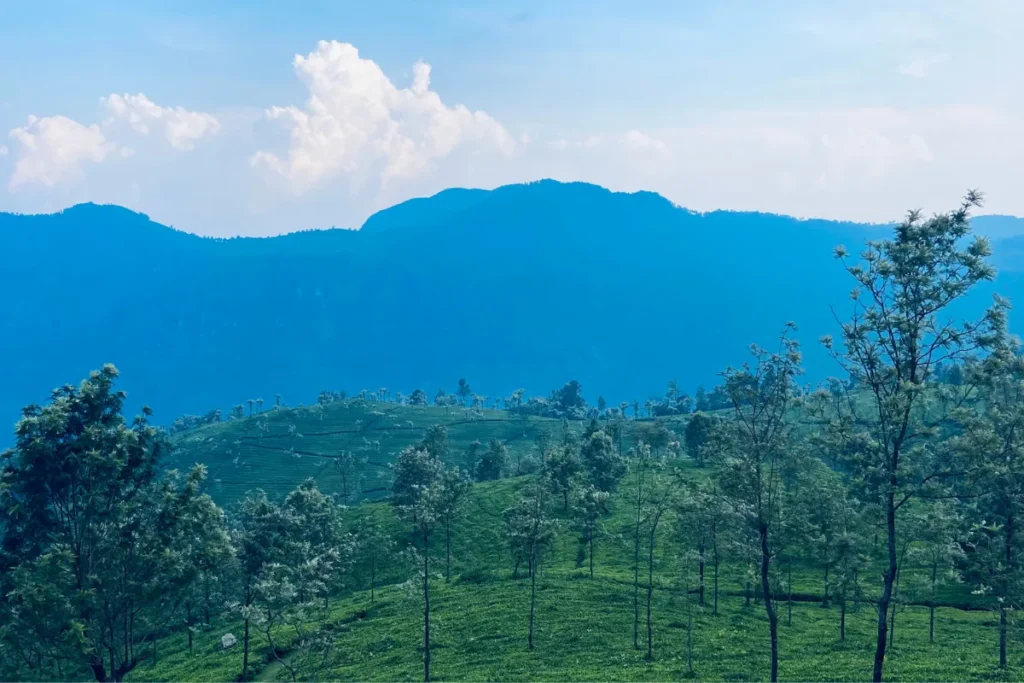
Kotagiri is one hour from Ooty, in the same Nilgiris district, at a similar elevation, surrounded by the same tea gardens and eucalyptus forests. The difference is the crowd. Kotagiri has almost none. The roads are quiet. The Kodanad viewpoint, the rolling tea garden terraces, the forest trails…all of it exists at a pace that Ooty lost years ago.
Our homestay was Rosetti Villa (INR 3,300 per night) that we booked through Airbnb. We are including the honest details: the rooms were basic, old-style, and damp. The bed covers were not clean. We had been given ground floor rooms at the back side, not the upper rooms shown in the listing photographs. The food, ordered from a nearby restaurant and brought to the room, was rice, sambar, and rasam, all without distinction. One pappadum arrived as a form of apology.
The rooftop, however, was the compensation that made everything below it irrelevant. Tea gardens, rolling hills, and a sunset that painted the entire valley amber. At night on that rooftop, looking out at hills with no artificial light, listening to nothing…we had driven twelve hours for that silence, and it was worth every one of them.
The Nilgiris also hold the Toda people, one of India’s oldest indigenous communities, who live in barrel-shaped stone temples and maintain buffalo-dairy rituals that predate any organised religion in the region. We did not visit a Toda settlement on this trip. Their presence in the landscape is part of what makes the Nilgiris different from a hill station that exists only for tourism. The Nilgiris were someone’s home long before they became anyone’s holiday.
“The rooftop at Kotagiri, after dark, looking out at hills with no artificial light, listening to nothing. We had driven twelve hours for that silence. It was worth every one.”
Wayanad: Where Ancient History Hides Inside Green Hills

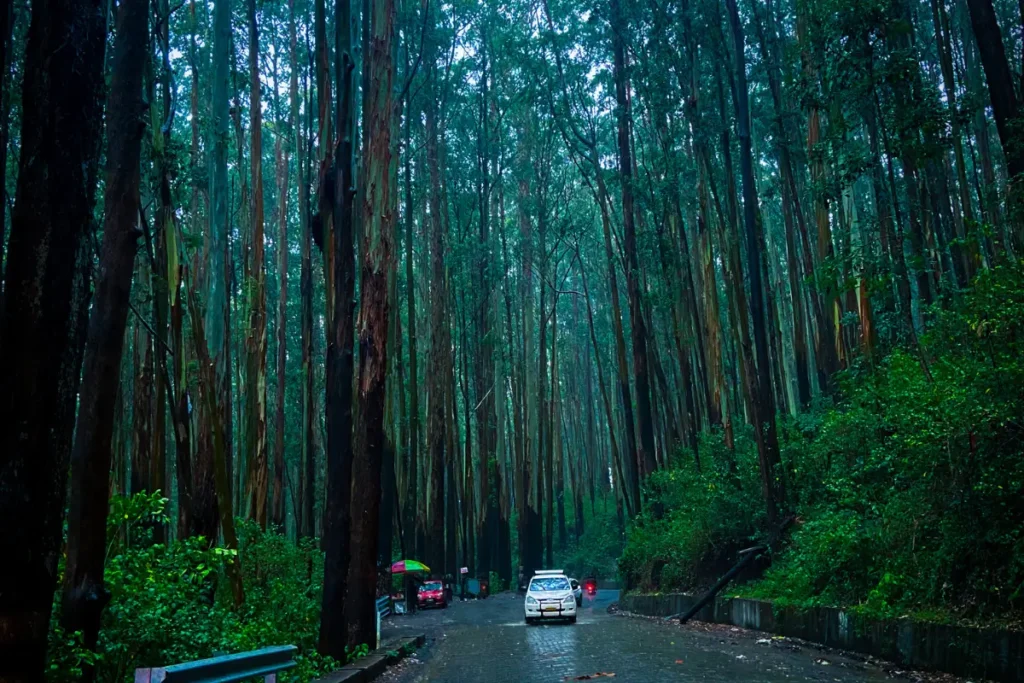
From Kotagiri, we drove into Kerala to Wayanad, still with Sumana’s father.
Wayanad is green in a way that requires recalibration. The Western Ghats are dense here. The vegetation is thick, layered, and uninterrupted. The air is damp. The roads curve through forest that closes over the car like a canopy. The drive itself is the first experience.
But Wayanad holds something that no other South Indian hill station holds: evidence of human civilisation from 6,000 BCE.
Edakkal Caves
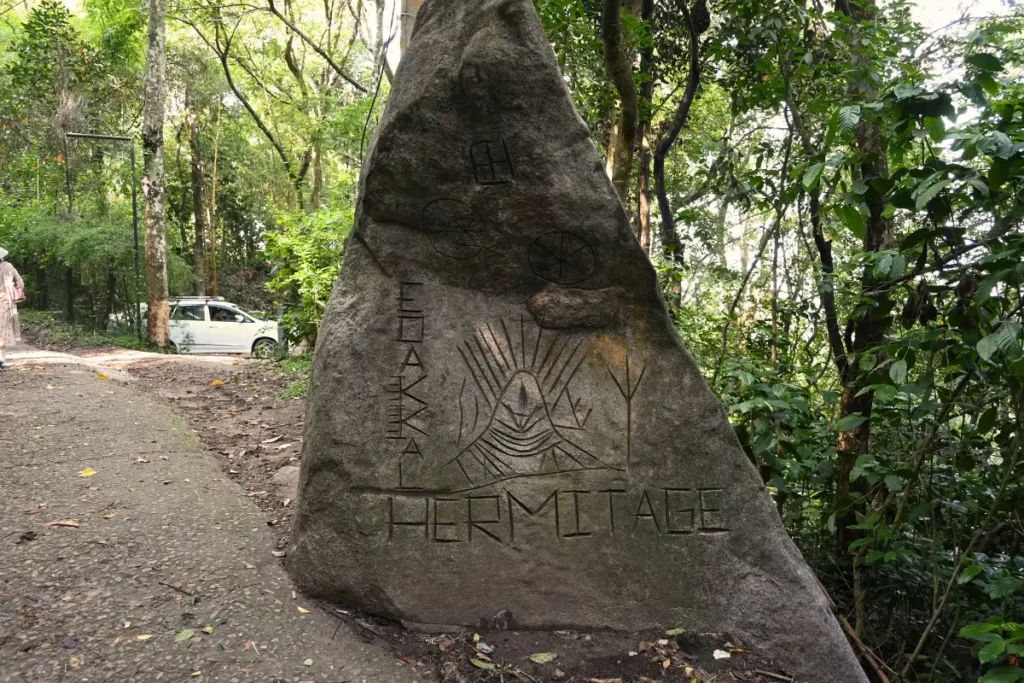
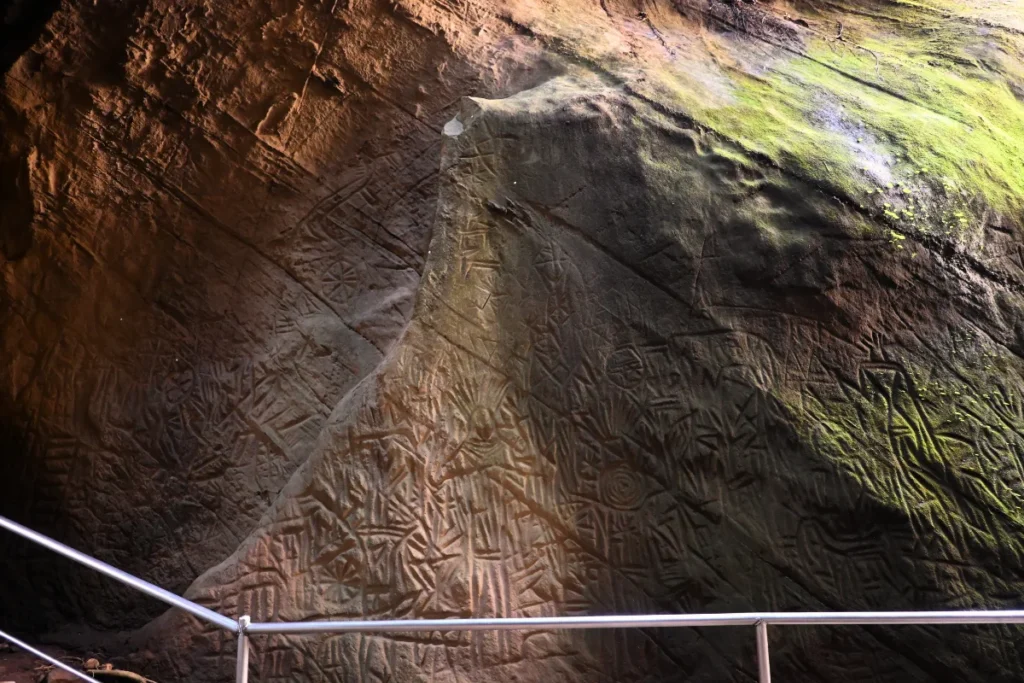
The Edakkal Caves are not caves in the conventional sense. They are a fissure in a massive rock, created when a boulder wedged itself between two larger rock faces, forming a natural shelter. Inside, on the walls, are petroglyphs carved approximately 8,000 years ago. Human figures, animals, symbols, and patterns that some researchers have compared to early Indus Valley and Mesopotamian writing systems.
The comparison is debated. What is not debated is that someone stood in this exact spot eight thousand years ago and made marks on stone that we can still see today. The hike to the caves is steep, approximately 30 to 40 minutes uphill, and the reward at the top is standing inside a timeline that connects the Western Ghats to the earliest chapters of Indian civilisation. We arrived at 8:30 AM to avoid the crowds. Both of us went quiet inside for several minutes, not from awe exactly, but from something closer to recognition.
900 Kandi
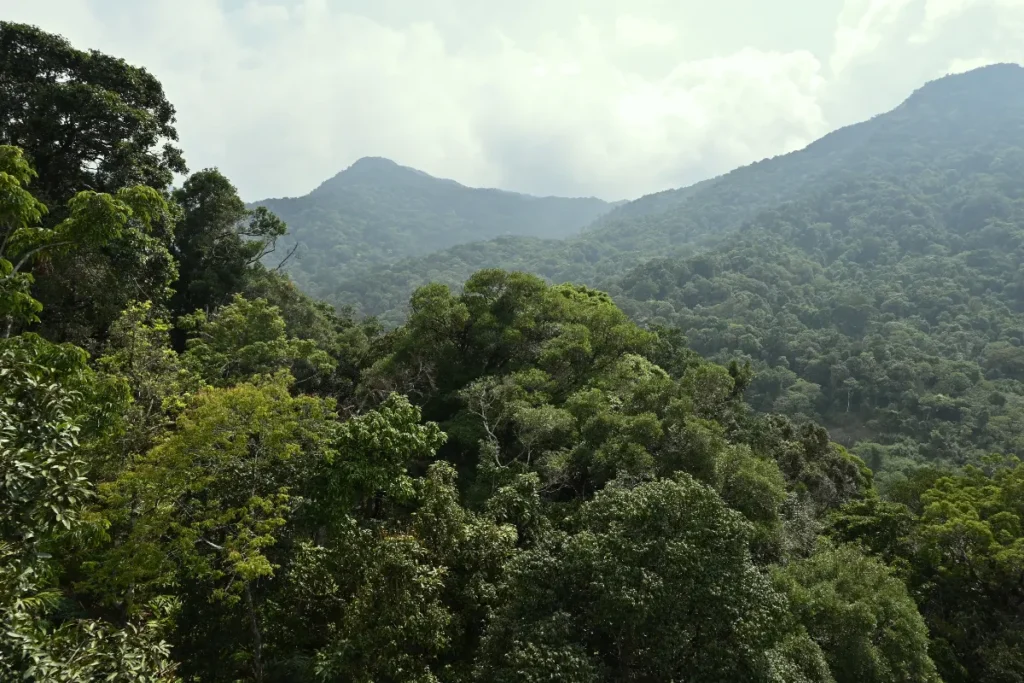
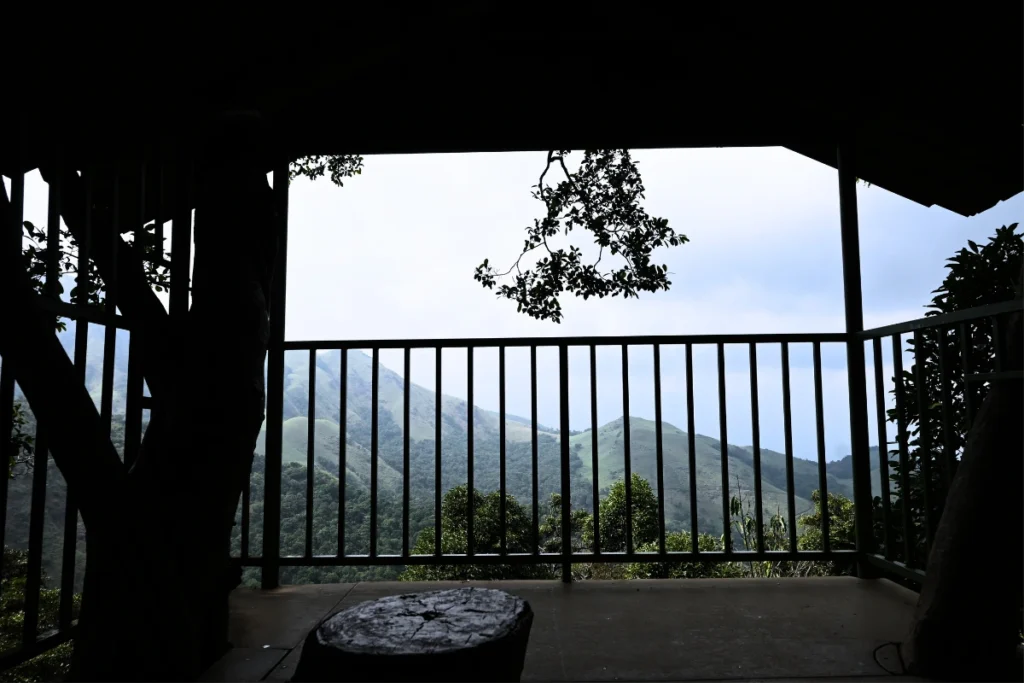
Following our morning at the caves, we drove to our next planned destination: 900 Kandi. Tucked away near Meppadi, this is a massive 900-acre estate of pristine, semi-isolated rainforest. To get deep into the woods, we swapped our car for a local 4×4 jeep that navigated the steep, boulder-strewn tracks. Up in the canopy, surrounded by wild streams, giant ferns, and the echoing sounds of the jungle, the sheer scale of the landscape held us there far longer than we had originally budgeted for the afternoon.
Manjappara and the Cloud That Ate the Sunrise
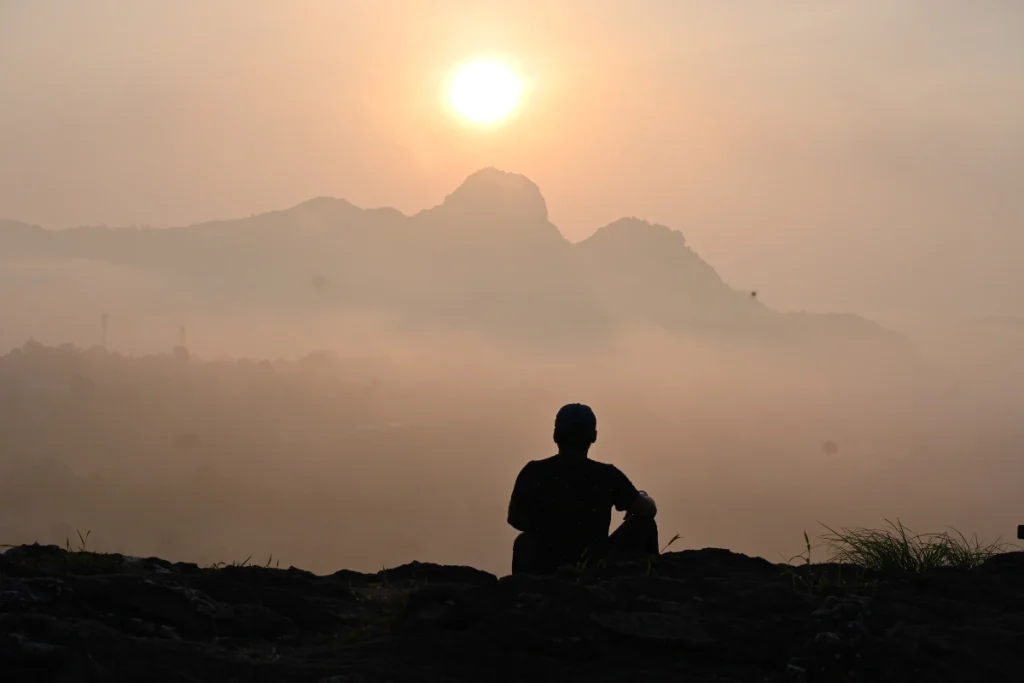
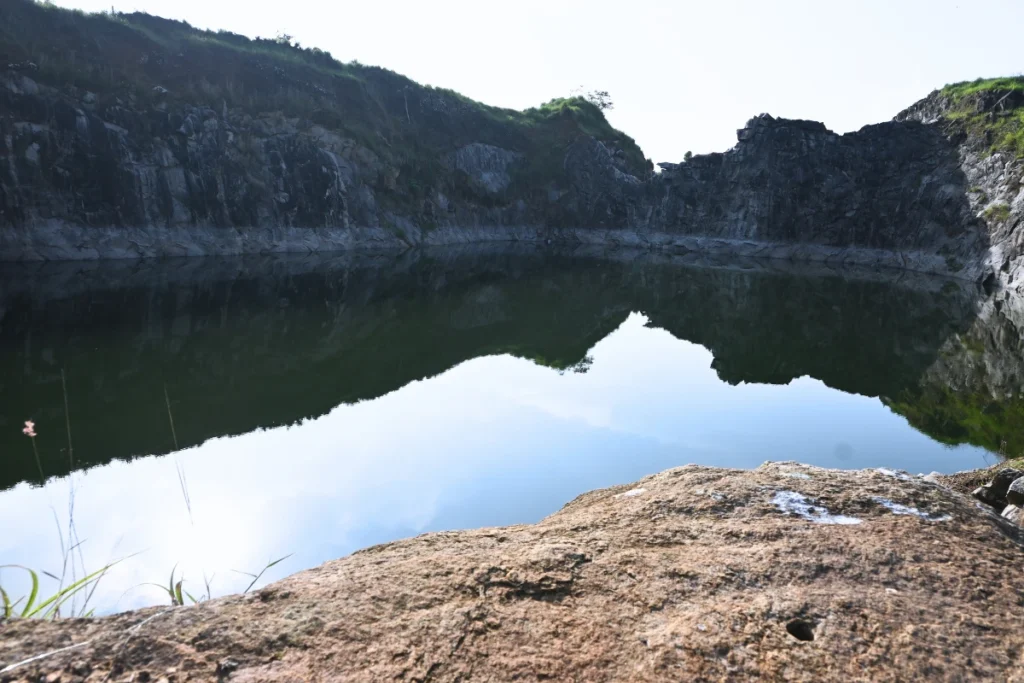
We woke at 4:30 AM and drove to the Manjappara viewpoint. The sun appeared briefly above the hills. Then the cloud moved in from below and swallowed everything. Within minutes, we were standing in white silence on a mountaintop, unable to see more than a few metres in any direction. The view we had come for was gone. What replaced it was the sensation of being inside a cloud on a hilltop, with nothing visible except the person standing next to you. We did not get the sunrise photograph. We got something better.
The Jain Temple That Became an Ammunition Store
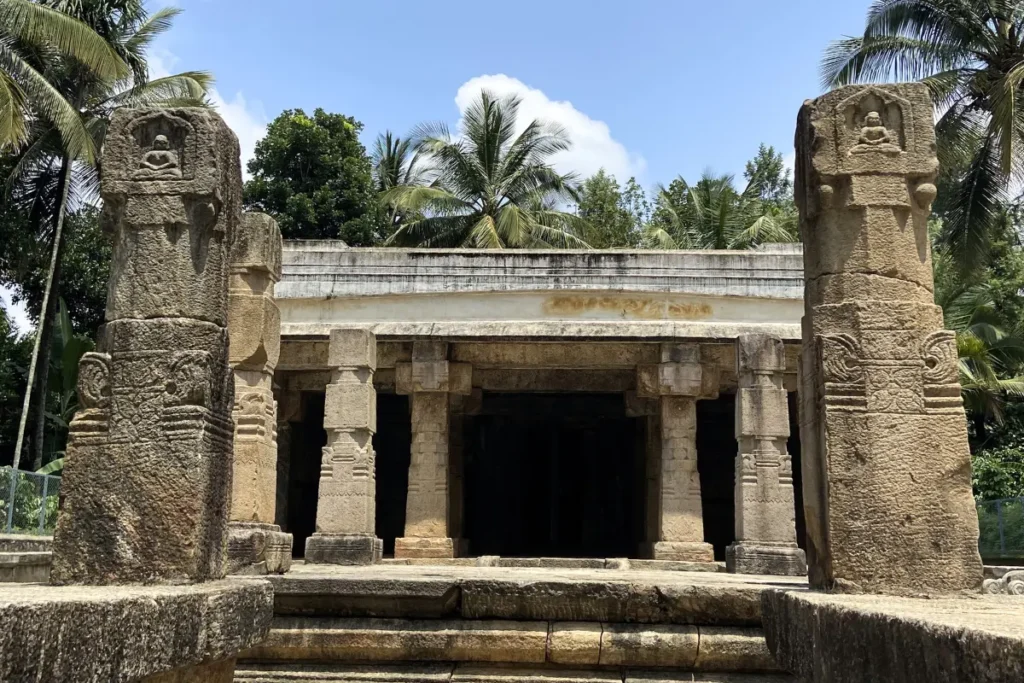
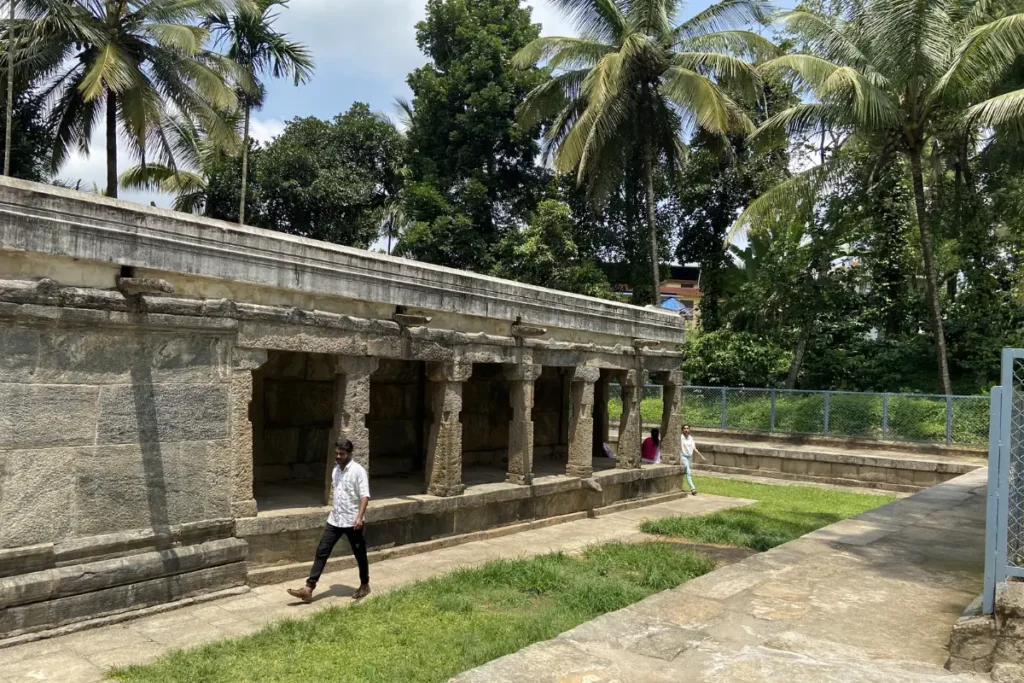
On our way back to Bengaluru after the trip, we stopped at a 13th-century Jain temple that Tipu Sultan later converted into an ammunition storage facility. Three religions and a military purpose in one building. The architecture carries each layer visibly: Jain carvings beneath Islamic modifications beneath the pragmatic additions of a warrior king who needed a place to store gunpowder. India does not separate its histories into clean chapters. They occupy the same walls.
Where We Stayed
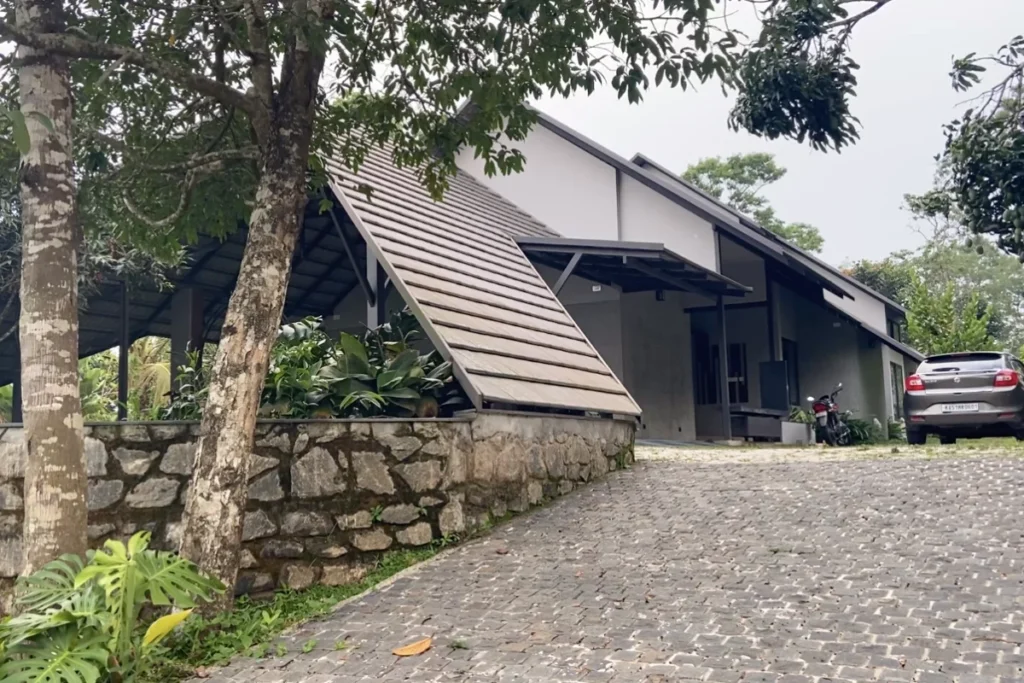
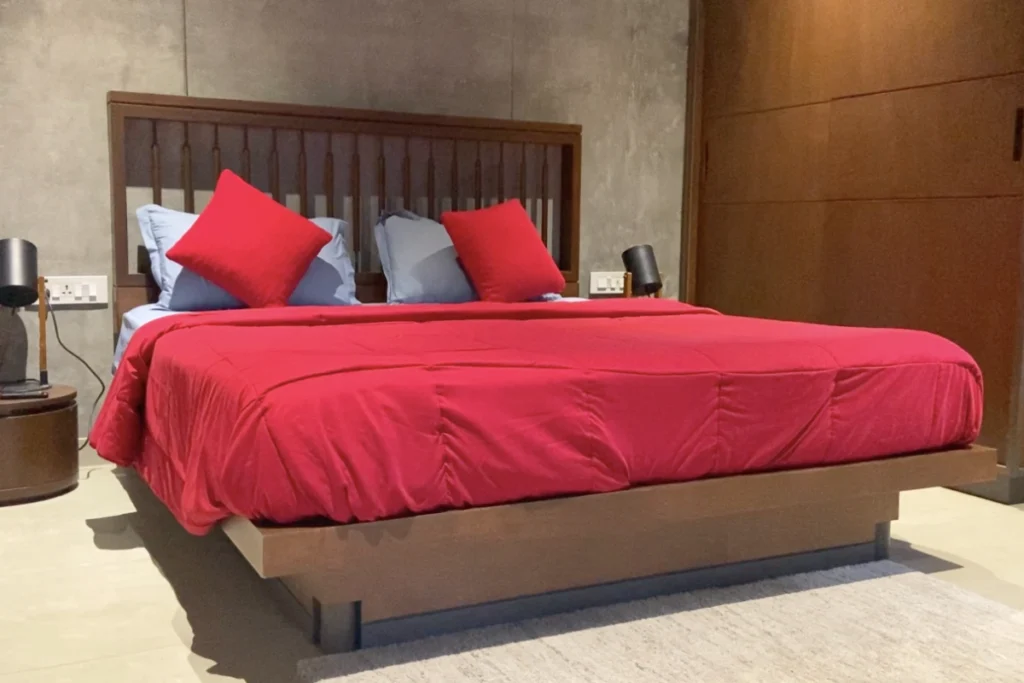
Our accommodation was an Airbnb near Andoor, hosted by Bibin. The experience was the exact opposite of Kotagiri’s homestay: warm, genuine, accurate to the listing, and surrounded by nature that felt less like a destination and more like an immersion. Bibin’s hospitality included meals that were part of the experience, not separate from it. The host made the difference. At Kotagiri, the accommodation was a place to sleep. At Wayanad, it was part of what we came for.
Kodaikanal: Where We Stopped Trying to See Things
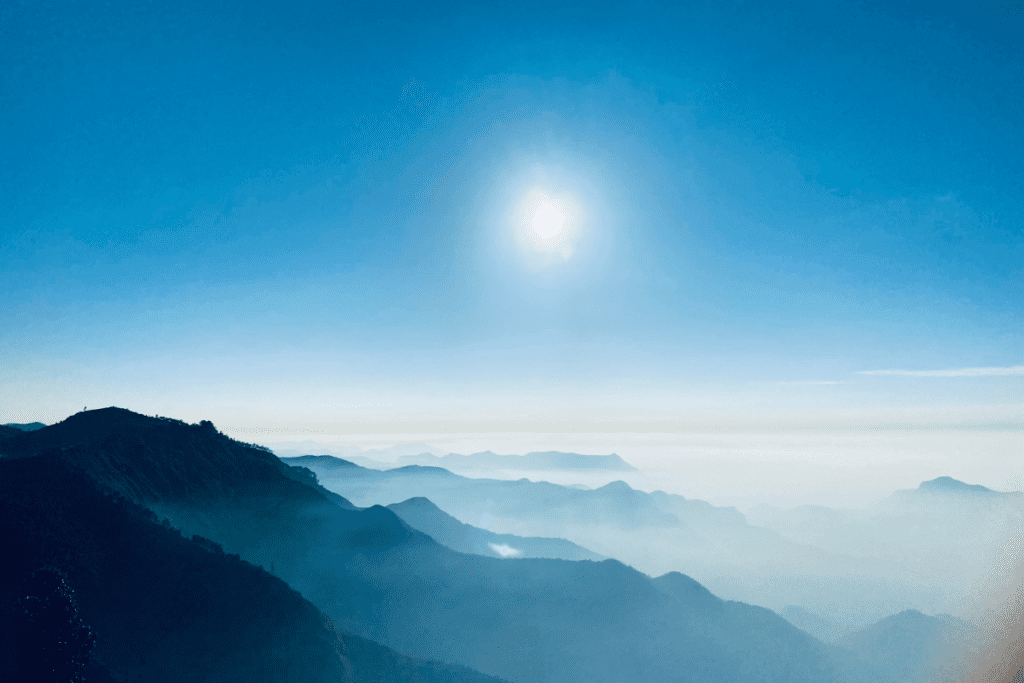
April 2024. Just the two of us. Left Bengaluru at midnight. Reached around noon. Twelve hours. Scenic roads through the hills the entire way.
We checked into RMK Nest Homestay, rested the whole first afternoon, and had no plan. The next morning, we were at Liril Waterfalls by 6:30 AM. Dolphin Nose viewpoint by 7:17 AM. The timestamps are precise because we were, at that point, still operating in itinerary mode. Still checking things off. Still treating the trip as a sequence of sites to confirm.
By the second day, the pace had broken. Not deliberately. The place did it.
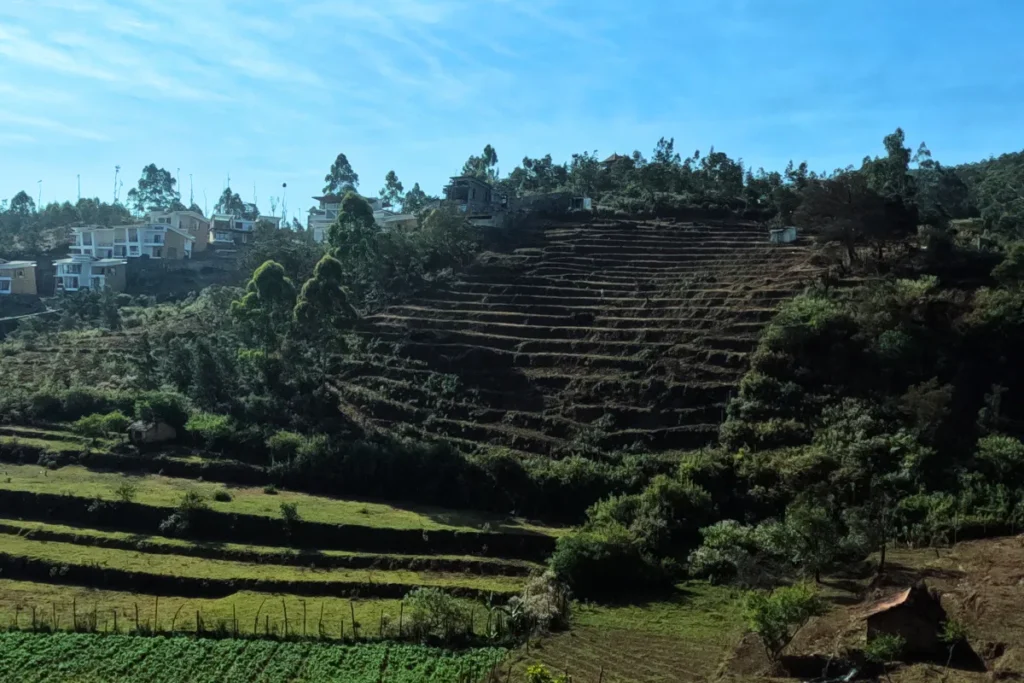
Kodaikanal moves slowly. The lake is calm. The pine forests absorb sound. The roads between viewpoints pass through stretches where nothing competes for attention. The hills ask you to look, not to arrive. On the third morning, we drove to Poombarai village and its rice terraces in morning haze. Then Munnavanur Lake (Poondi), completely still, not a ripple, not a sound, reached around 9:40 AM. We explored the nature around the lake, the scenery, the silence. Left around 10:30 AM. Back at the hotel, the Amma who ran the kitchen cooked South Indian food that became the reference point for every meal prepared with care that we encountered afterward. We also did a photoshoot inside the hotel room itself, because the homestay was genuinely photogenic. It was a day that produced no itinerary items and stayed with us longer than any day that did.
If Ooty is South India’s hill station postcard, Kodaikanal is its journal entry. The postcard shows you something. The journal entry shows you something about yourself. What Kodaikanal showed us was that we had been travelling as consumers and it was time to start travelling as inhabitants.
That lesson carried forward into Hampi, where we stopped setting alarms by the third morning. It carried forward into Turkey, where we followed wrong turns into farming villages and treated the unplanned as a feature rather than a failure. Kodaikanal was where we learned that the best travel happens after the schedule breaks.
“Three days in Kodaikanal. No alarms. No timestamps after the first morning. The place took over the schedule and the schedule did not come back. Some destinations teach you what they are. Kodaikanal taught us what we were doing wrong.”
Chikmagalur and Sakleshpura: Coffee Country in Four Hours
Chikmagalur is the closest hill station to Bengaluru that feels like a genuine escape. Approximately four and a half hours by car. Close enough for a weekend. Far enough for the air to change.
The Western Ghats here are coffee country. Arabica plantations line the roads. The estates are often open for tours, and the smell of coffee processing at elevation is a specific pleasure that lowland coffee shops cannot replicate. We drove through the estates on the Sakleshpura road, stopped when the view asked us to stop, and continued when it released us. The villages along the route and the scenic quality of the ghats made the drive itself worth making.
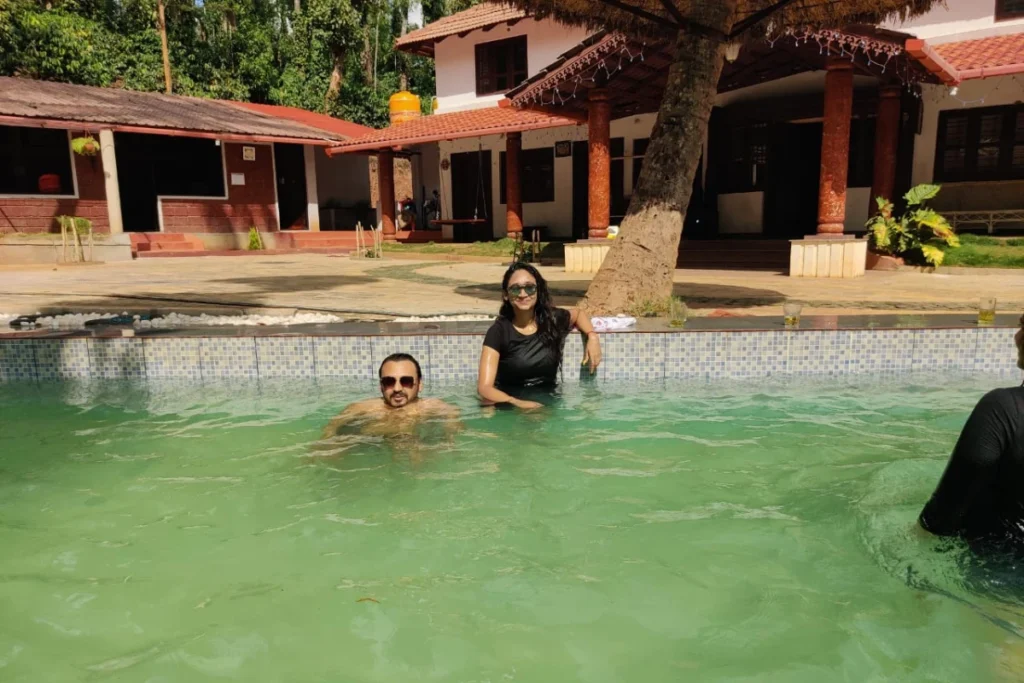
We stayed at Hotel United Kites in Hassan (approximately INR 1,500 / USD 16 per night), the nearest town to the Hoysaleshwara Temple. The temple visit, with a local guide who showed us the carvings, explained the hidden sculptor’s face in the frieze that exists only if someone points it out, and narrated 800 years of stone in forty-five minutes, was one of the most efficient heritage experiences we have had anywhere in South India.
Manjarabad Fort
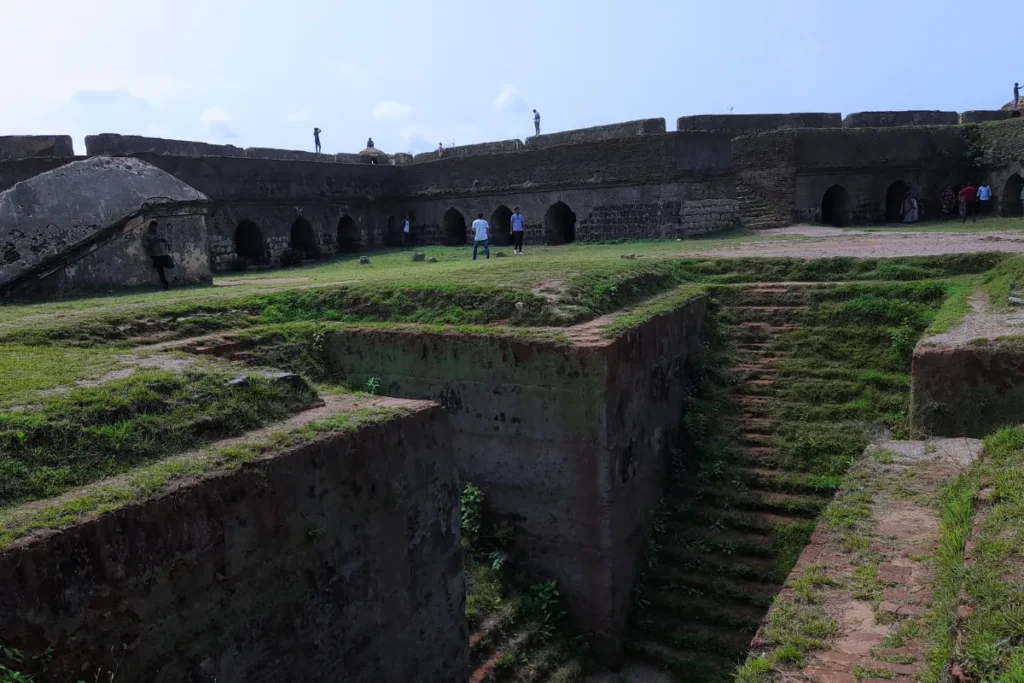
The star-shaped fort at Sakleshpura, built by Tipu Sultan in 1792, is the historical anchor of the area. Eight-pointed star design, visible from above, constructed for strategic sight lines and defensive coverage. The hike to the top was worth the effort. The view from the ramparts stops you mid-conversation. The surrounding landscape, green hills rolling away without interruption, is the view the fort was built to protect.
Chikmagalur and Sakleshpura work as a combined weekend from Bengaluru. Drive out on Friday night. Saturday in the coffee hills and the fort. Sunday morning for a final viewpoint, then the drive home. Total cost for the weekend: INR 5,000 to 8,000 / USD 53 to 85 for two, including fuel, one night’s accommodation, and meals. The return on that investment, measured in silence per rupee, is the highest of any hill station on this list.
Nandi Hills: The Sunrise That Requires No Planning
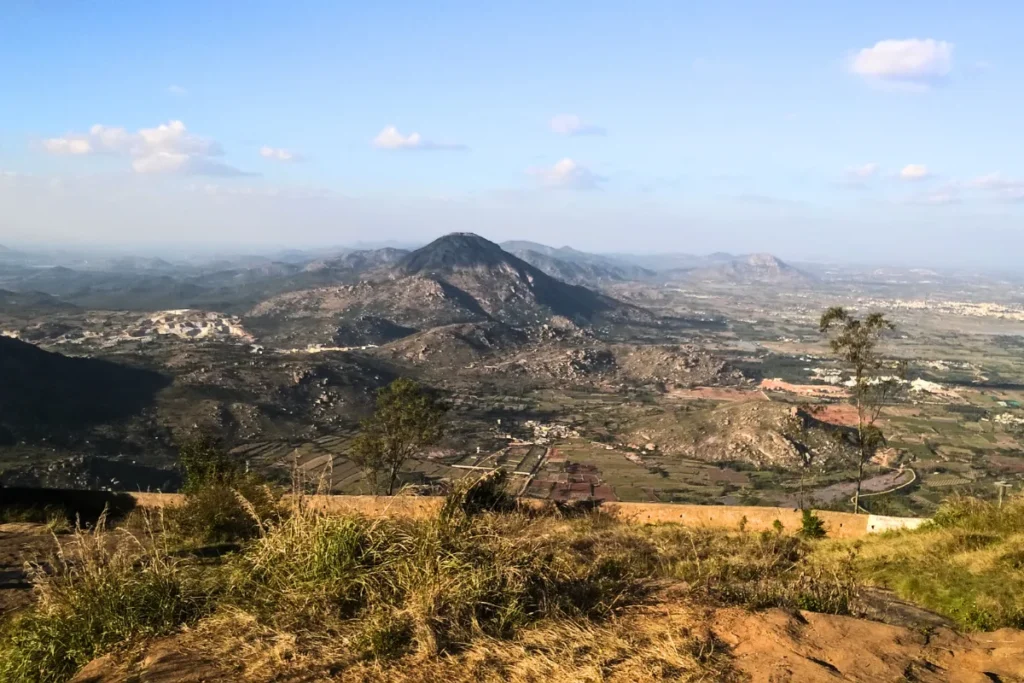
Nandi Hills is approximately 60 kilometres from Bengaluru. It is not a hill station in the traditional sense. It is a hill. A single hill with a sunrise viewpoint, a temple, a few gardens, and a population of monkeys that move faster than your ability to secure your breakfast.
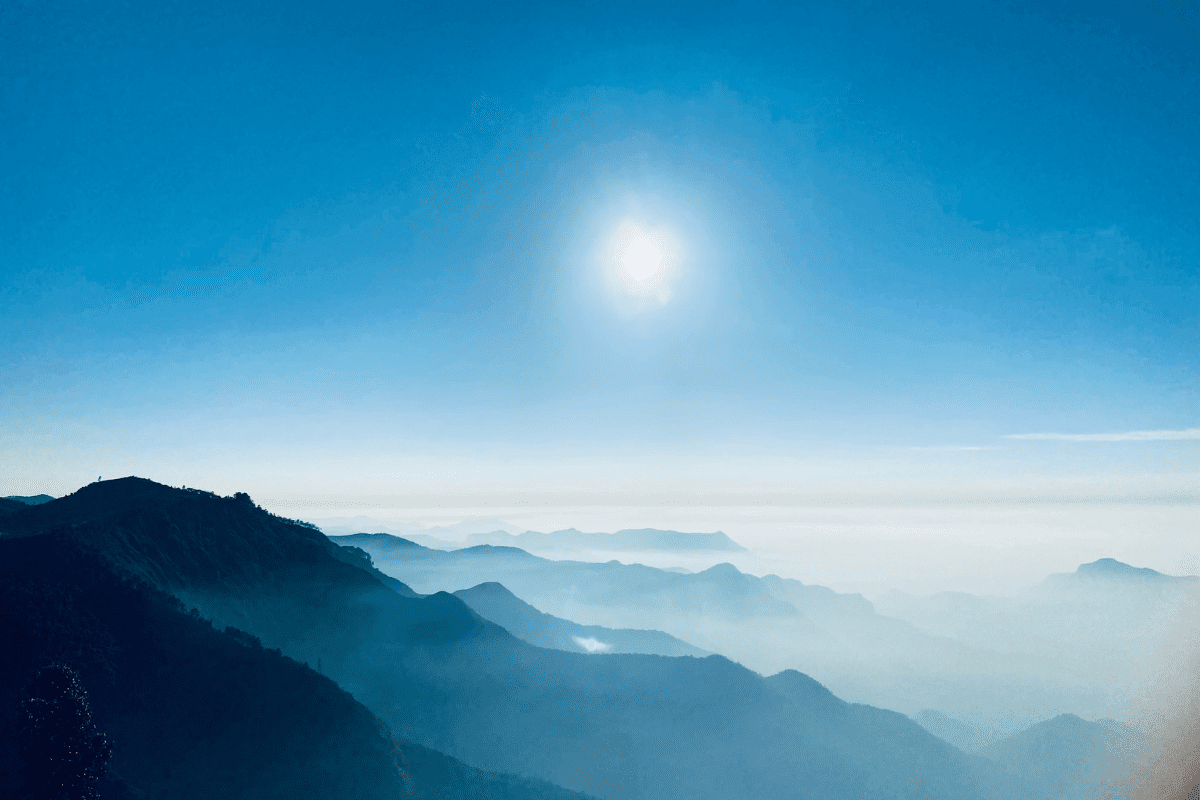
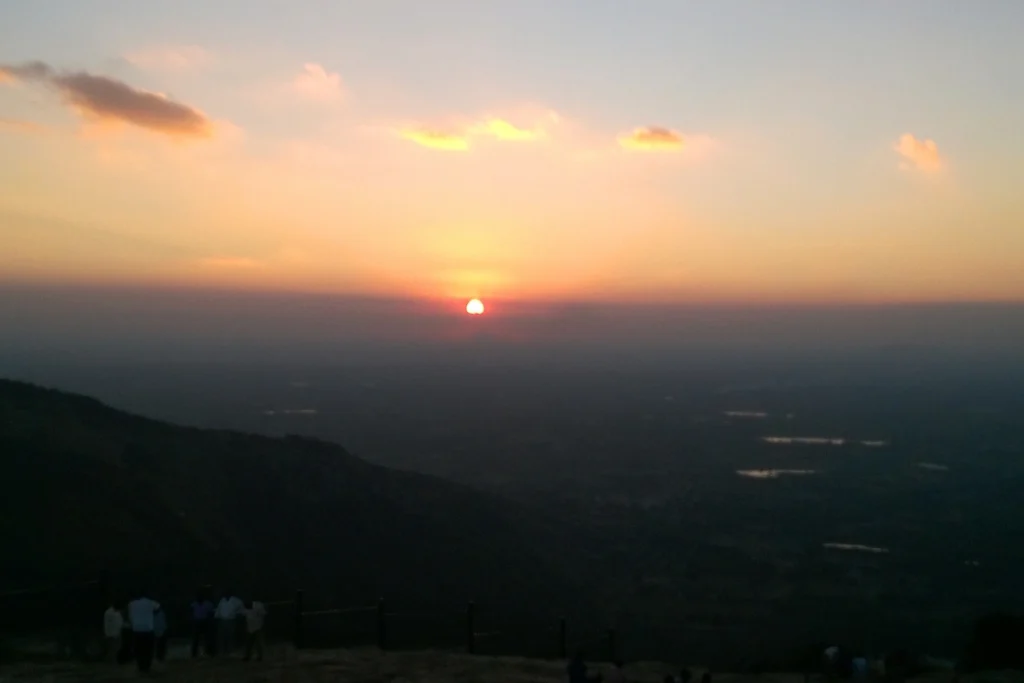
The sunrise is the reason to go. Leave Bengaluru in the afternoon and reach for sunset, as we did…roughly one and a half to two hours. Or leave at 4 AM to catch the dawn. Either way, the view of fog rolling through the valleys below, the sun breaking through, the plains of Karnataka visible in every direction…this is the reward.
Nandi Hills is not a trip. It is a morning, or an afternoon. The experience is worth it exactly once per season, or whenever the city’s noise becomes physically uncomfortable and you need the cure that exists sixty kilometres to the north.
One warning that requires its own sentence: the monkeys are fast. Food in your hand is food in their hand. They do not negotiate. Secure everything before you get out of the car.
Note on Nandi Hills: Leaving Bengaluru by 3:00 PM gives you a great 1.5 to 2-hour drive to catch a spectacular sunset from the cliffs before the gates close for the evening. If you prefer the famous carpet of clouds, stick to the classic 4:00 AM departure to catch the dawn!
When to Go
| Hill Station | Best Months | What to Expect |
| Nilgiris (Ooty, Coonoor, Kotagiri) | Apr to Jun, Sep to Nov | Cool, misty, tea garden green. Avoid weekends and holidays if going to Ooty. |
| Kodaikanal | Apr to Jun, Sep to Nov | Cool, pine forests, lake mist. Monsoon brings rain but also emptiness. |
| Wayanad | Sep to Mar | Green, damp, wildlife active. Monsoon brings heavy rain and occasional landslides. |
| Chikmagalur / Sakleshpura | Sep to Feb | Cool mornings, coffee harvest season, clear skies on good days. |
| Nandi Hills | Oct to Feb | Cool dawn, fog in valleys. Summer mornings are warm but still worth the sunrise. |
The principle across all of them: go when the plains are hot and the hills are cool. April through June in Bengaluru is when the city pushes you out. The Nilgiris at 2,000 metres when Bengaluru is 35 degrees is a different climate, a different sound, a different pace.
What It Costs
| Item | Approximate Cost (Two People) |
| Fuel, Bengaluru to Nilgiris (round trip) | INR 3,000-4,000 / USD 32-42 |
| Fuel, Bengaluru to Kodaikanal (round trip) | INR 4,000-5,000 / USD 42-53 |
| Fuel, Bengaluru to Wayanad (round trip) | INR 3,000-4,000 / USD 32-42 |
| Fuel, Bengaluru to Chikmagalur (round trip) | INR 2,000-2,500 / USD 21-26 |
| Fuel, Bengaluru to Nandi Hills (round trip) | INR 500-700 / USD 5-7 |
| Accommodation, budget homestay (per night) | INR 1,500-3,300 / USD 16-35 |
| Accommodation, Airbnb or mid-range (per night) | INR 3,000-5,000 / USD 32-53 |
| Food, local restaurants (per day, two people) | INR 500-1,000 / USD 5-11 |
| Edakkal Caves entry (two people) | INR 100-200 / USD 1-2.10 |
| Manjarabad Fort entry (two people) | INR 30-50 / USD 0.30-0.50 |
A three-day hill station trip from Bengaluru, self-driven, with budget accommodation and local food, costs between INR 8,000 and 15,000 / USD 85 and 159 for two people. Compare this to the international trips on this site: the 9-day Egypt trip cost us around INR 2,60,00-3,00,000 / USD 2754-3178, the 17-day Turkey trip cost us more than INR 3,00,000-3,50,000 / USD 3178-3698. A South Indian hill station weekend costs less than a single restaurant meal in Cappadocia.
How We Drive
- Leave at midnight or earlier. NH275 to the Nilgiris, NH48 to Chikmagalur, and the Mysore highway to Wayanad are all significantly faster between midnight and 5 AM. The Ooty approach road that took us two hours in daytime traffic takes forty minutes before dawn.
- Download offline maps before the forest corridors. Bandipur, Wayanad, and the Sakleshpura ghats drop mobile signal without warning. The map you downloaded over home WiFi is the only map that works in the forest.
- Carry food. On the Nilgiris drive, we found a basic restaurant serving dal, rice, and omelette. On the Wayanad route through the ghats, options are scarce during certain hours. We carry bread, biscuits, and water as standard on every long drive.
- The Bandipur corridor has a night driving restriction. Between approximately 9 PM and 6 AM, vehicle movement through the Bandipur Tiger Reserve is restricted. Plan your timing to arrive at the forest entry before 9 PM or after 6 AM. We time our midnight departure from Bengaluru to reach the forest boundary by early morning.
- Wildlife on the road is not a delay. An elephant crossing the road in Bandipur is the trip happening. A troop of monkeys at Nandi Hills is the trip happening. Do not honk. Do not rush. The animal does not know or care that you are running late.
“We spend our lives planning for the massive horizons…saving for months to cross oceans and collect passport stamps. But these quiet weekend drives taught us something simpler. You don’t need a massive itinerary to find a clean slate. Sometimes, all it takes to reset your world is a midnight departure, a winding ghat road, and the willingness to let the morning fog swallow the schedule entirely.”