What begins on a couch can easily reshape an itinerary. If you are looking to plan Turkey travel inspired by Netflix’s The Gift, this 17-day trip breaks down how a fictional series about Göbekli Tepe turned into a real-world journey across Anatolia… and the practical realities television never shows you.
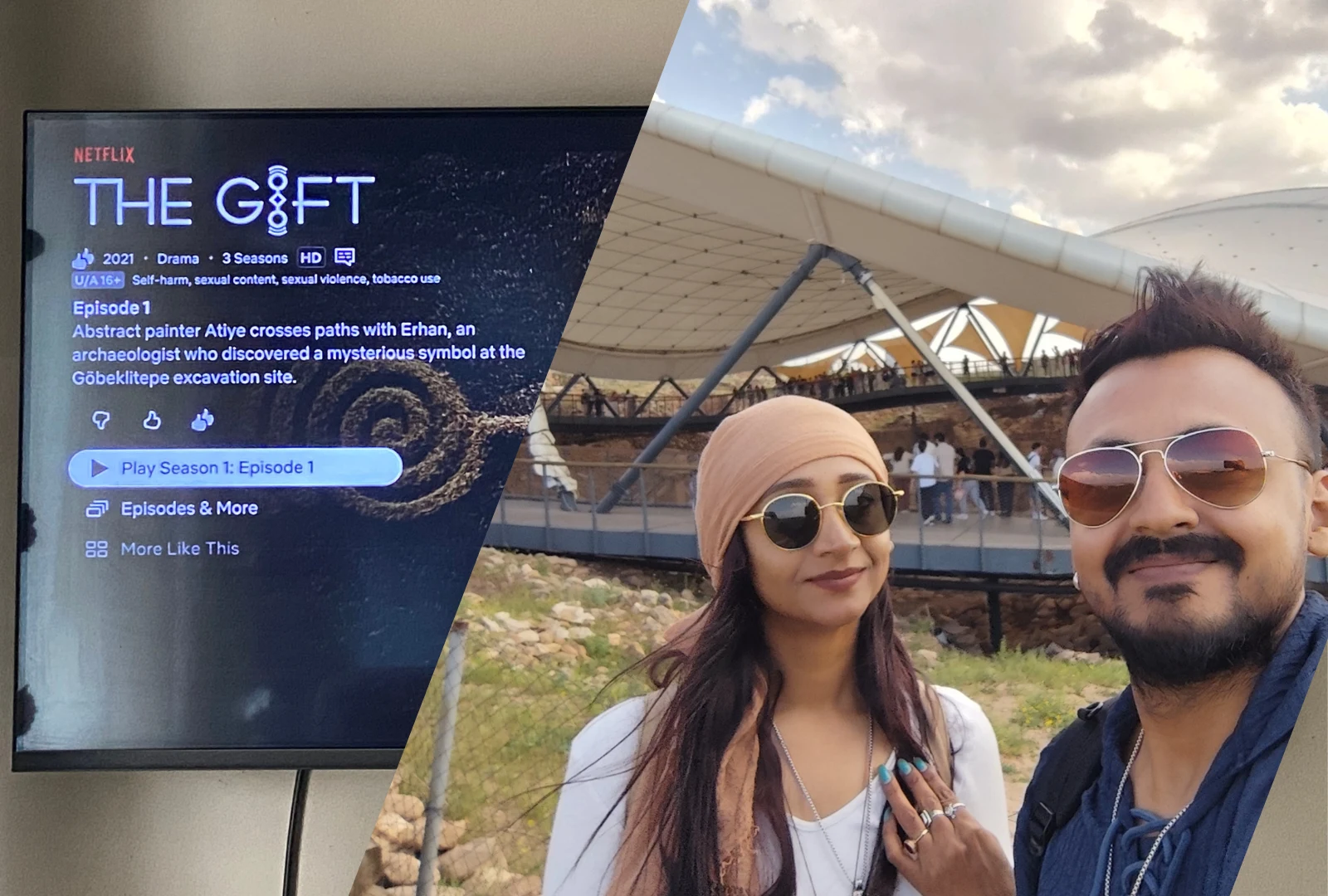
The show was called The Gift. In Turkish: Atiye. Three seasons. A painter in Istanbul discovers that her art connects to symbols found at Göbekli Tepe, a real archaeological site in southeastern Turkey where hunter-gatherers carved monumental stone pillars 11,500 years ago. The plot involves mysticism, past lives, dimensional portals, and the specific brand of narrative ambition that Turkish television applies to everything from historical dramas to supernatural archaeology.
We watched it on a weeknight in Bengaluru. Two IT professionals. One sofa. Subtitles. By the end of Season 1, one of us had opened a browser tab. By the end of Season 3, the browser tab had become a research folder. By the following month, the research folder had become a flight booking.
The distance between a Netflix recommendation and a 17-day trip through Turkey is shorter than you think. It requires only a show that is slightly better than it needs to be, a couple with more curiosity than sense, and a credit card that does not ask follow-up questions.
“The distance between a Netflix recommendation and a seventeen-day road trip across Turkey is shorter than you think… it requires only a show slightly better than it needs to be and a credit card that doesn’t ask follow-up questions.”
What the Show Showed Us
The Gift is fiction. The archaeology inside it is real.
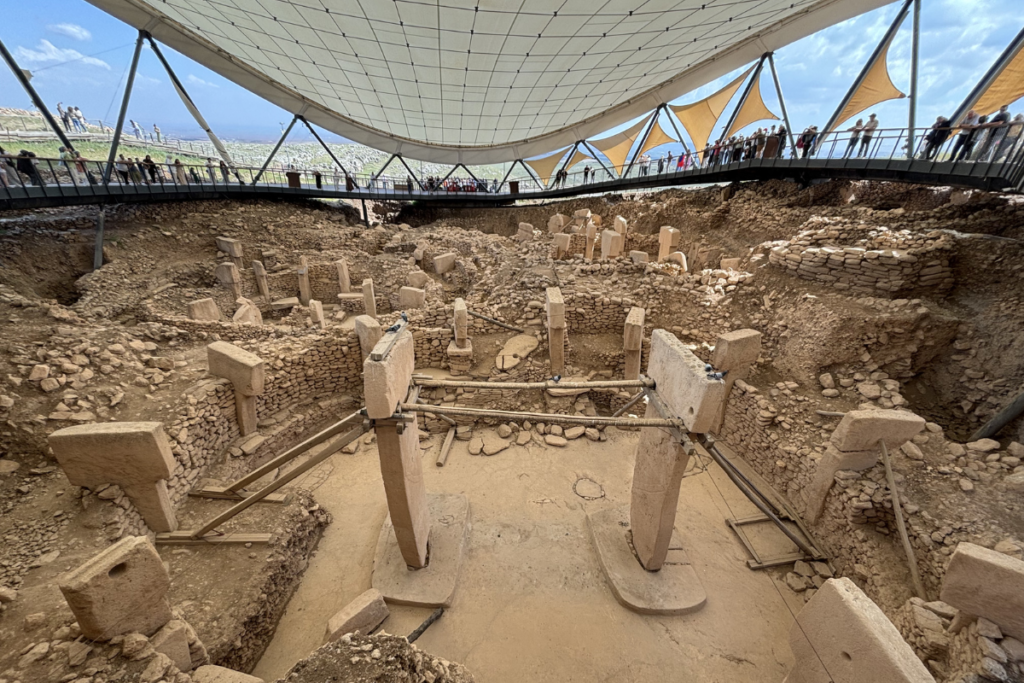
The show’s central location is Göbekli Tepe: the enclosures, the T-shaped pillars, the animal carvings, the mystery of why hunter-gatherers who had not yet invented agriculture or pottery decided to build the oldest monumental architecture on Earth. The show wraps this real site in a supernatural narrative, but the footage of the actual pillars, the actual boardwalk, the actual excavated enclosures was genuine. The archaeological questions the show raises- who built this, why did they bury it intentionally, what does it mean that civilisation may have begun with a temple rather than a farm- are real questions that real archaeologists are still debating.
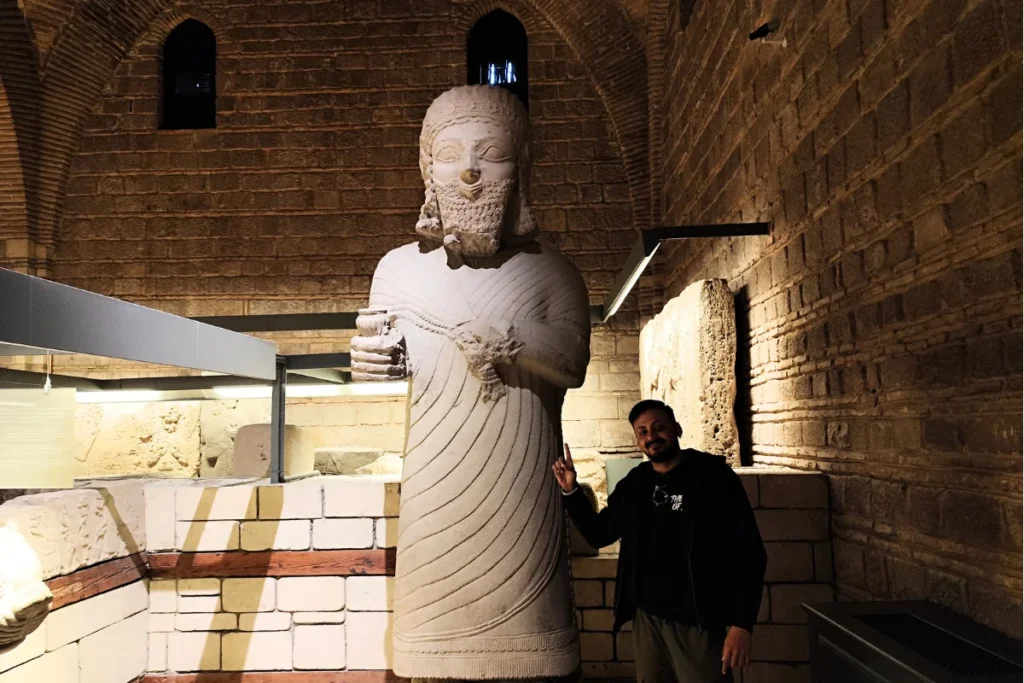
Season 1 also features the Museum of Anatolian Civilisations in Ankara. The protagonist walks through the galleries. The camera lingers on Hittite reliefs and Neolithic figurines. For us, watching from a sofa in Bengaluru, the museum scenes did something that travel advertising cannot: they embedded the location inside a story we cared about. The museum was not a destination to add to a list. It was a place where a character we were emotionally invested in had a revelation. The distinction matters because it determines whether you add the place to a spreadsheet or to a plane ticket.
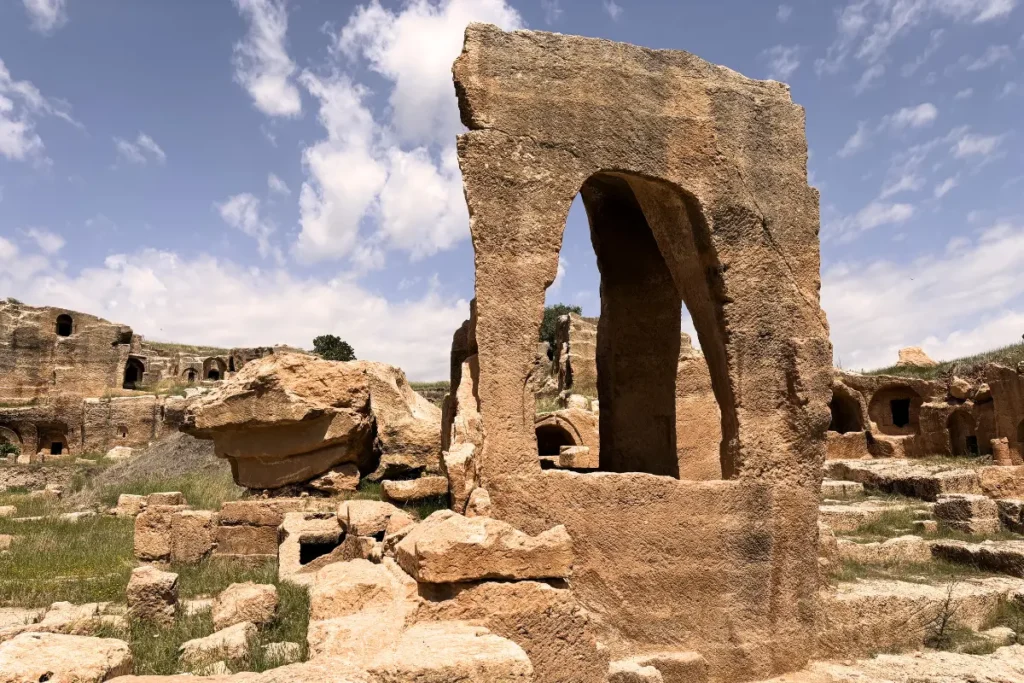
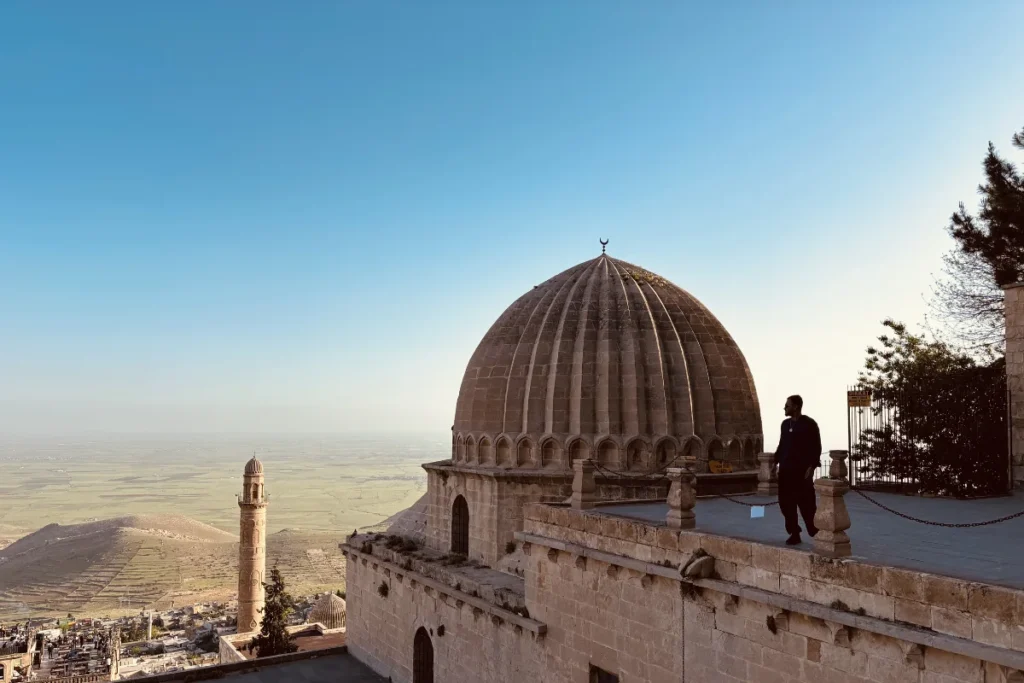
The show also references the ancient city of Dara, near the Syrian border, which appears in dramatic aerial shots showing the carved limestone bedrock, the cisterns, and the cliffs. When we later watched the Shahmaran series (also Turkish, also Netflix, named after the Serpent Queen of Mardin mythology), the southeastern Turkey research folder thickened. When we found the 6 Days music video by Mahmut Orhan, with its aerial footage of Mardin’s golden domes and the Mesopotamian plain dissolving toward Syria, the folder became an itinerary.
Three pieces of media. A supernatural drama. A mythology series. A music video. Together, they drew a map across a country we had never visited, connecting sites we had never heard of, in a region that Turkey’s own tourism marketing barely acknowledges. The map pointed southeast. We followed it.
What the Show Did Not Prepare Us For
The Gift shows Göbekli Tepe in cinematic light. Wide-angle drone shots. Golden hour. The pillars looking mysterious and significant in the way that television requires.
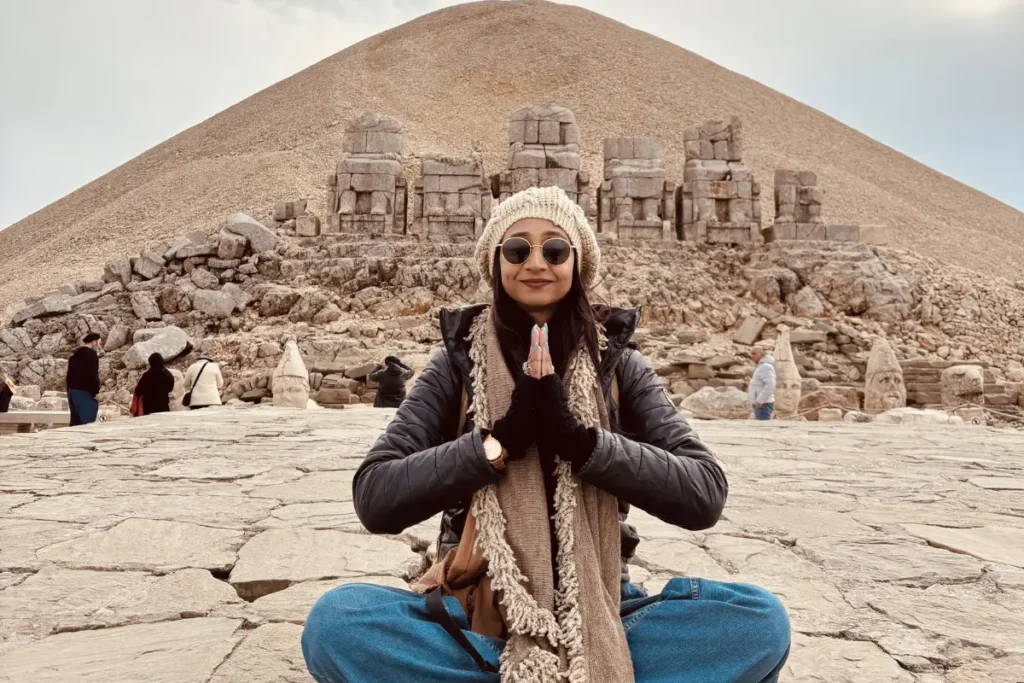
The show does not show you the tense twenty-minute IDP verification and security deposit block of TRY 12,000 / INR 28,000 / USD 330 at the car rental counter that nearly ended the trip before it started. The show does not show the fuel tank that was empty within the first kilometre, or the road worker who crossed a highway on foot to rescue two strangers he could not speak to. The show does not show the mountain road to Nemrut where the tyres lost grip on loose gravel, and the question of whether we would reach the summit was genuinely open.
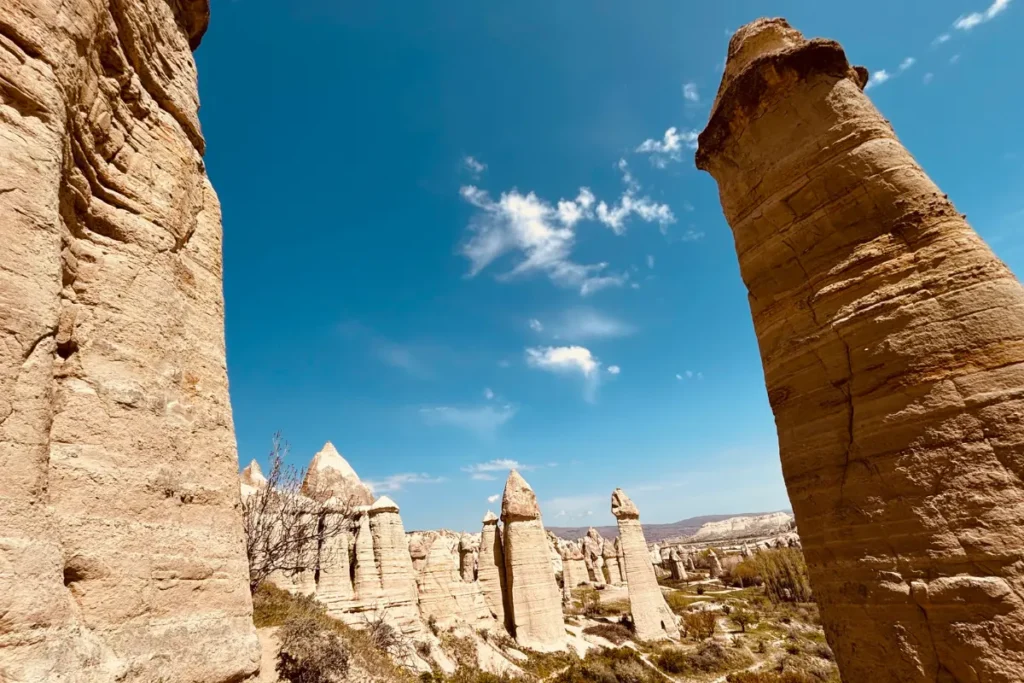
The show does not show you cooking Maggi in a cave hotel in Cappadocia because tourist restaurant meals averaging TRY 1,200 / INR 2,800 / USD 33 per sitting forced us to protect our budget for our 17-day trip. The show does not show the café in Göreme where the staff treated us differently from the Western tourists at the next table, or the Karadut Pension family serving chicken soup while the wind howled outside, or the Pergamon Pension breakfast that turned out to be the most complete Turkish breakfast spread of the entire trip.
Television is edited. Travel is not. The Gift curates Turkey into a narrative. The road trip uncurated it into seventeen days of reality that included the extraordinary, the difficult, the boring, the uncomfortable, and the transcendent, sometimes within the same afternoon.
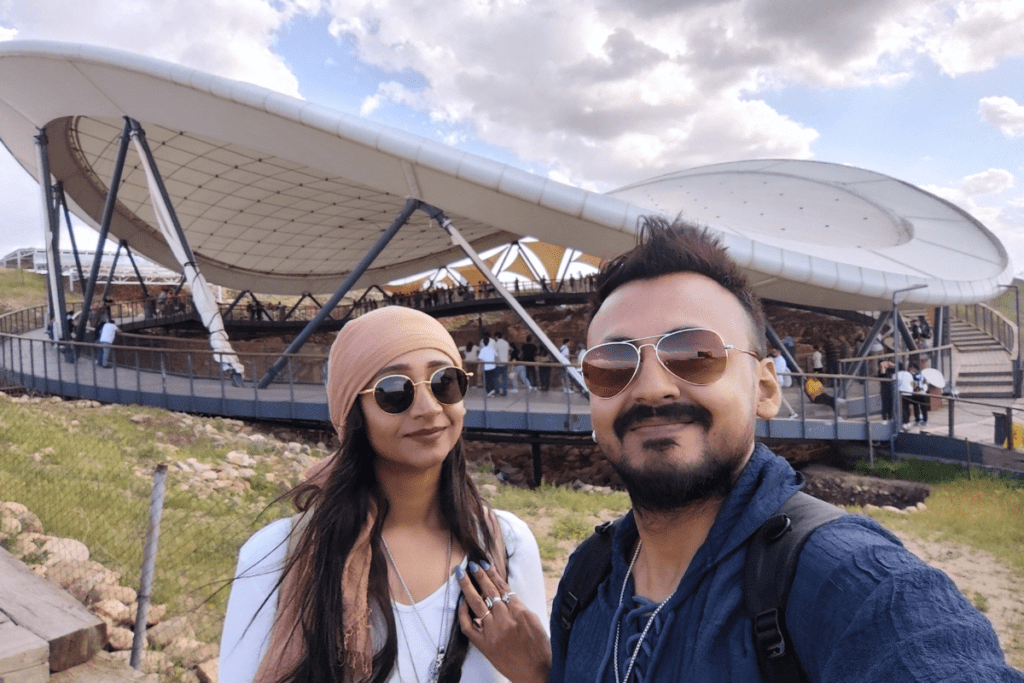
The pillars at Göbekli Tepe, when we finally stood on the boardwalk above them, looked smaller than they do on screen. The T-shapes were the same. The animal carvings were the same. The enclosures were the same. But the boardwalk is higher than the drone shots suggest, and the pillars are further below you than the close-ups imply, and the wind across the hilltop carries a specific warmth that no screen transmits. The site was real. It was also different from the version of real that the show had installed in our expectations.
This is not a criticism of the show. It is an observation about what happens when fiction deposits a destination in your imagination and reality then asks you to walk through it with your own feet, in your own shoes, carrying your own water, with your own car parked in a lot that the show never bothered to include in the frame.
“Television curates a country into a neat story. Real travel uncurates it into seventeen days of reality that include the extraordinary, the difficult, the uncomfortable, and the transcendent, often all within the same afternoon.”
What the Trip Gave Back to the Show
After seventeen days, 4,150 km, and twelve archaeological sites, we rewatched the first episode of The Gift.
The experience of watching it had changed entirely.
The Göbekli Tepe scenes now carried the memory of standing above the enclosures at midday, feeling the heat, smelling the dust, watching a tour group move along the boardwalk at the pace that tour groups move, which is faster than contemplation and slower than understanding. The Museum of Anatolian Civilisations scenes now carried the memory of sprinting uphill through Ankara at 4:45 PM, terrified the museum was closing, and the two hours of chronological walking that followed. The Dara footage now carried the memory of descending into underground cisterns where Roman engineers had hidden enough water to outlast a siege.
The show had become a different show because we had become different viewers. The fiction had not changed. We had. The screen version of Göbekli Tepe and the boardwalk version of Göbekli Tepe now coexisted in the same mental space, and the coexistence produced a richer experience of both. The show was better after the trip. The trip was possible because of the show. The loop closed.
“Television shows you the destination; the road trip gives you the distance between them. The screen version was the trailerthe 4,150-kilometre journey was the film.”