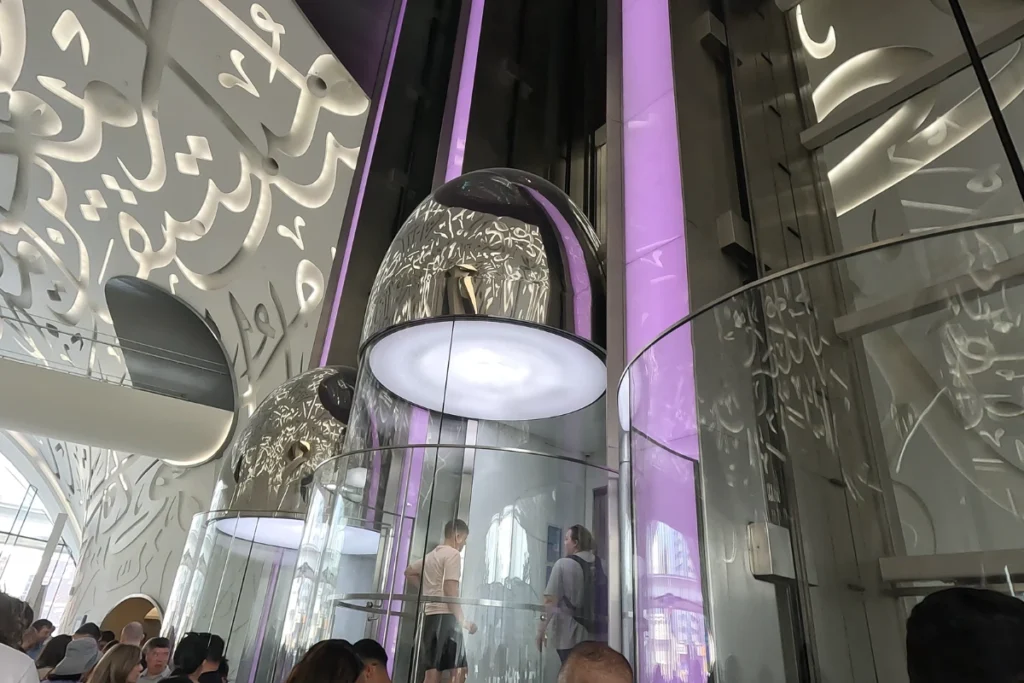
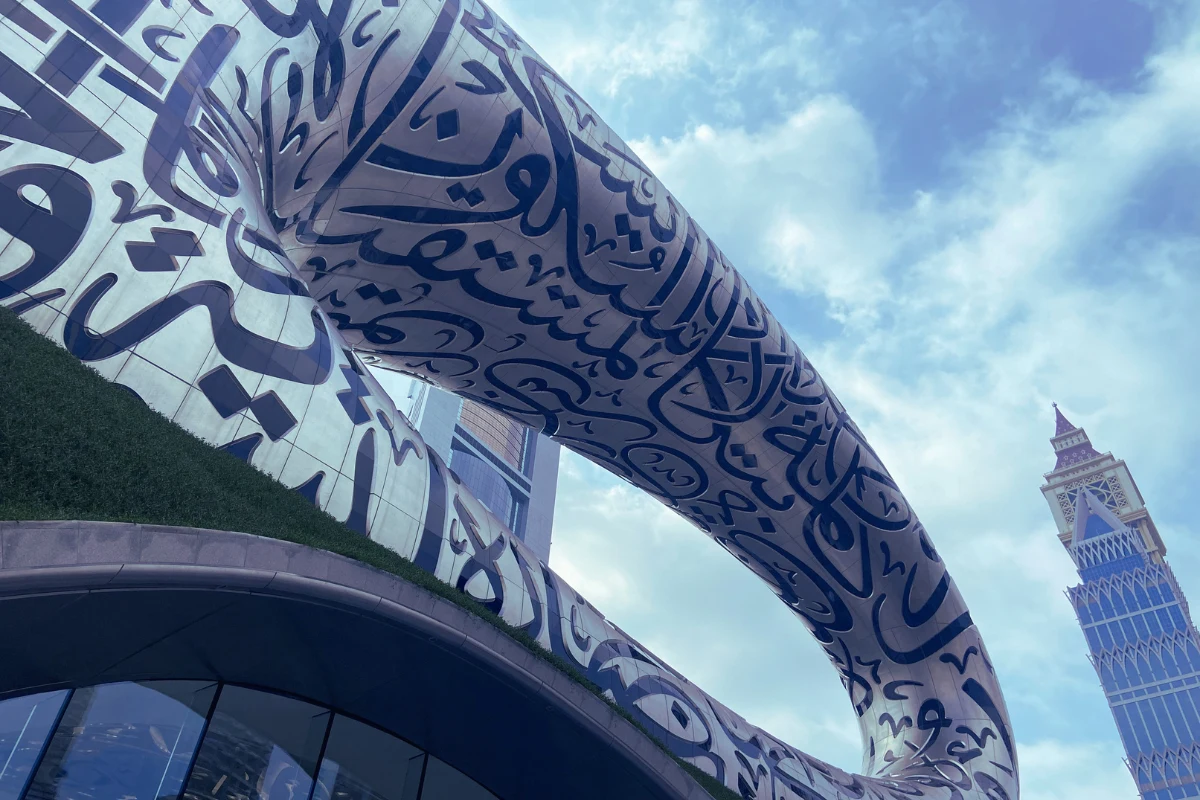
When deciding if the Museum of the Future Dubai is worth it or not, our visit on the morning of February 18th… our wedding anniversary… gave us a very specific answer. We arrived at approximately 9 AM to find a crowd already forming. The building itself, a torus-shaped structure on Sheikh Zayed Road with Arabic calligraphy cut into the stainless steel façade, is a statement before you even reach the ticket counter.
We have spent most of our travel time inside ancient structures. Temples where pharaohs maintained cosmic order through daily ritual. A hill where hunter-gatherers carved pillars 11,500 years ago. Granite boulders that formed three billion years before anything was alive. Our frame of reference for significant buildings is measured in millennia.
The Museum of the Future is set in the year 2071. The gap between what we usually stand inside and what we stood inside that morning produced something neither ancient ruins nor modern skyscrapers had given us: the specific vertigo of standing in a place designed for a species we may not yet be.
“Above ground, Dubai builds to show the world what human ambition can construct today. Inside the Museum of the Future, it asks whether humanity will be equipped to inhabit tomorrow.”
What You Walk Through
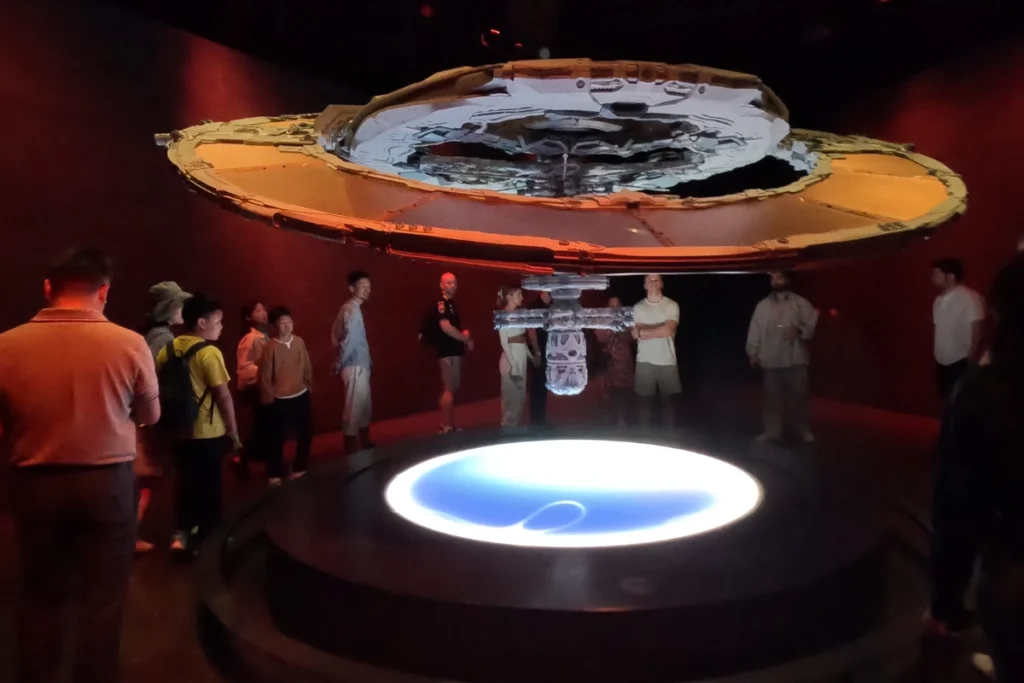
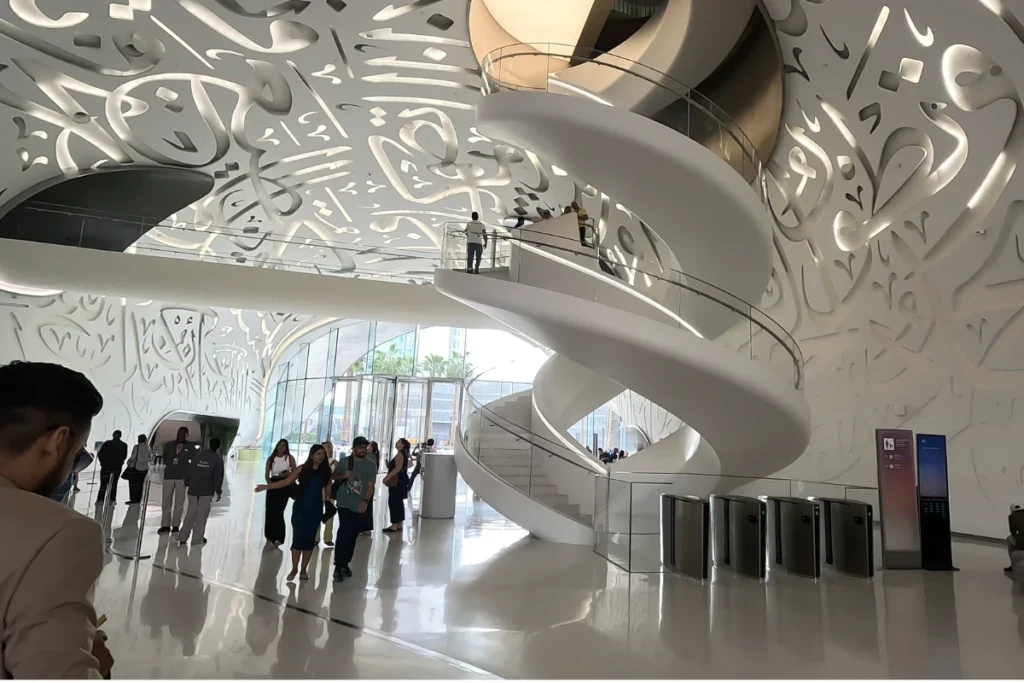
The museum is organised as a journey through speculative futures, each floor presenting a different scenario for human civilisation in the coming decades. The exhibits are immersive rather than informational… you don’t read panels; you walk through environments designed to make you feel you’ve entered a functioning world rather than a display about one.
We interacted with a robot: not a screen with a chatbot interface, but a physical robot that responded to our presence and moved with a fluidity that sat precisely on the boundary between impressive and uncomfortable. We watched a robotic dog navigate a space and a robotic bird in flight. On another level, we walked through a vault displaying thousands of stored DNA samples, representing species and genetic material preserved against a future where the originals may not survive.
The production quality is extremely high… built spaces with lighting, sound design, and material finishes that immerse you completely. Dubai does not do things at half commitment, and the museum extends that principle to an intellectual subject rather than a commercial one.
What Amazed Us
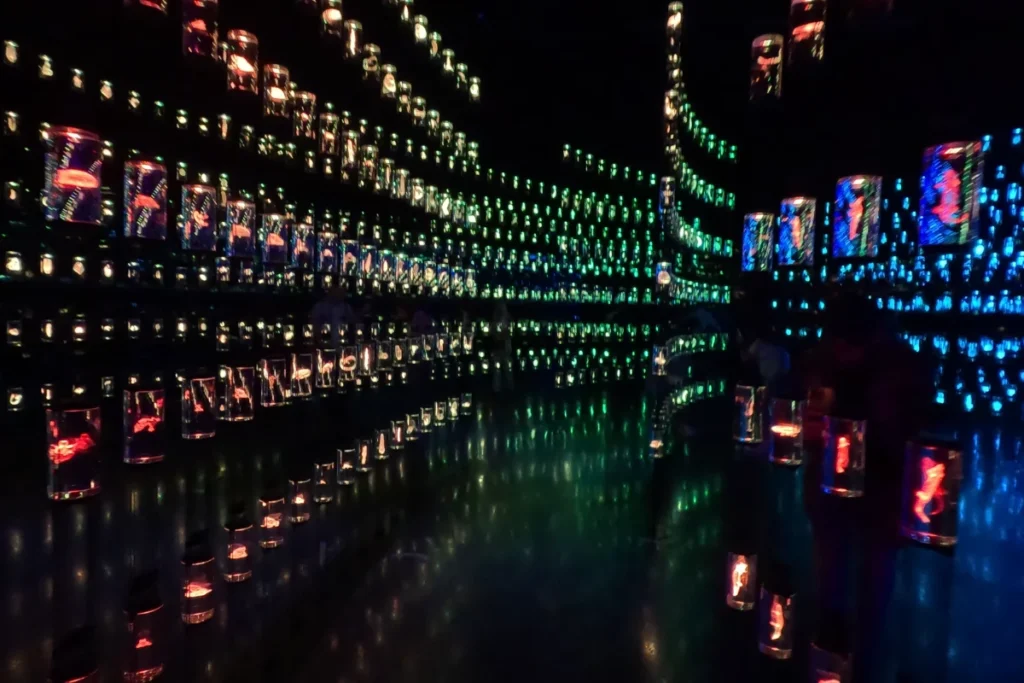
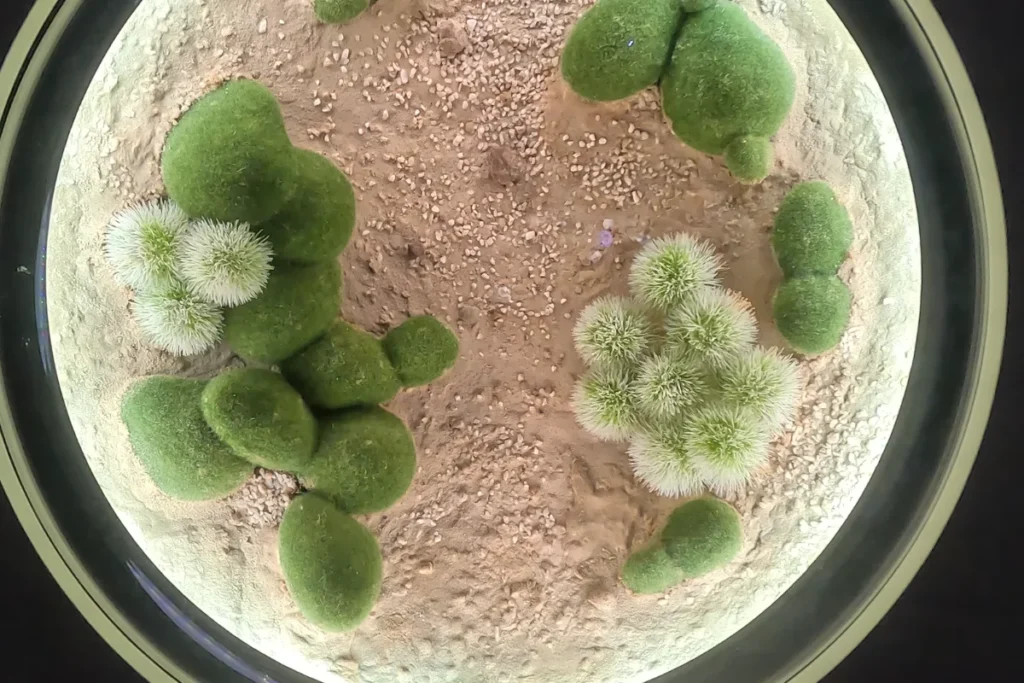
The scope of imagination. Rooms simulate ecosystems, habitation modules, and medical technologies that don’t yet exist but are presented with enough technical plausibility that “fantasy” doesn’t apply. The future depicted isn’t utopian… it acknowledges ecological collapse and resource scarcity. The museum doesn’t promise a better world. It presents a different one and asks whether you’re prepared for it.
The DNA library room stayed with us longest. Rows of stored genetic material, catalogued and preserved, communicate a future where saving a species’ genetic code is the backup plan because saving the species itself has already failed.
“If we are storing DNA because the organisms are disappearing, who is building the museum — and who is disappearing?”
What Unsettled Us
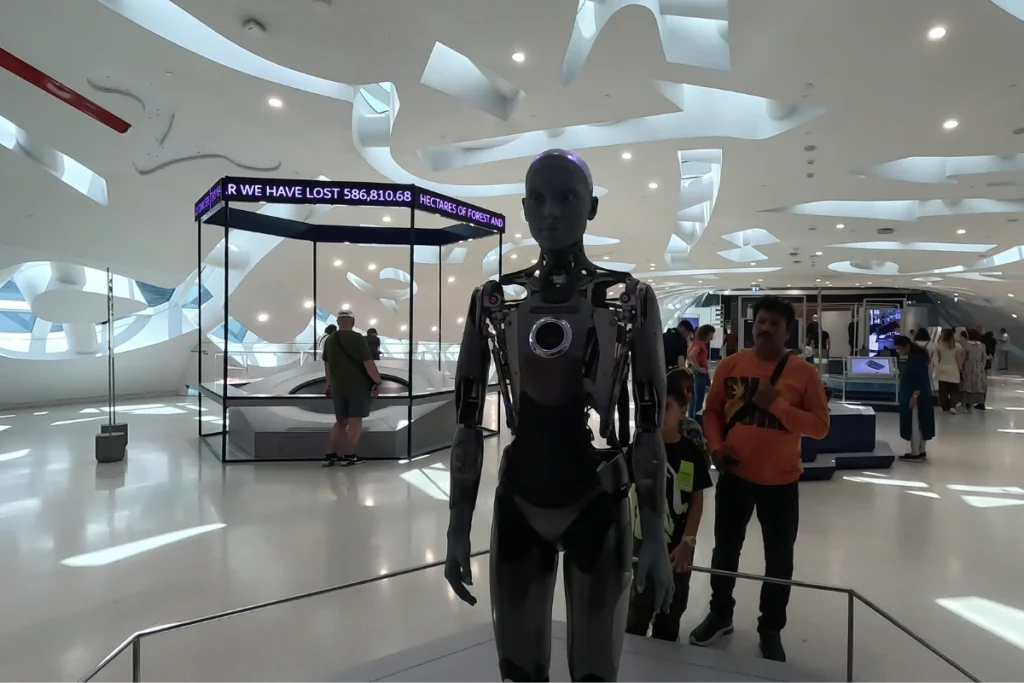
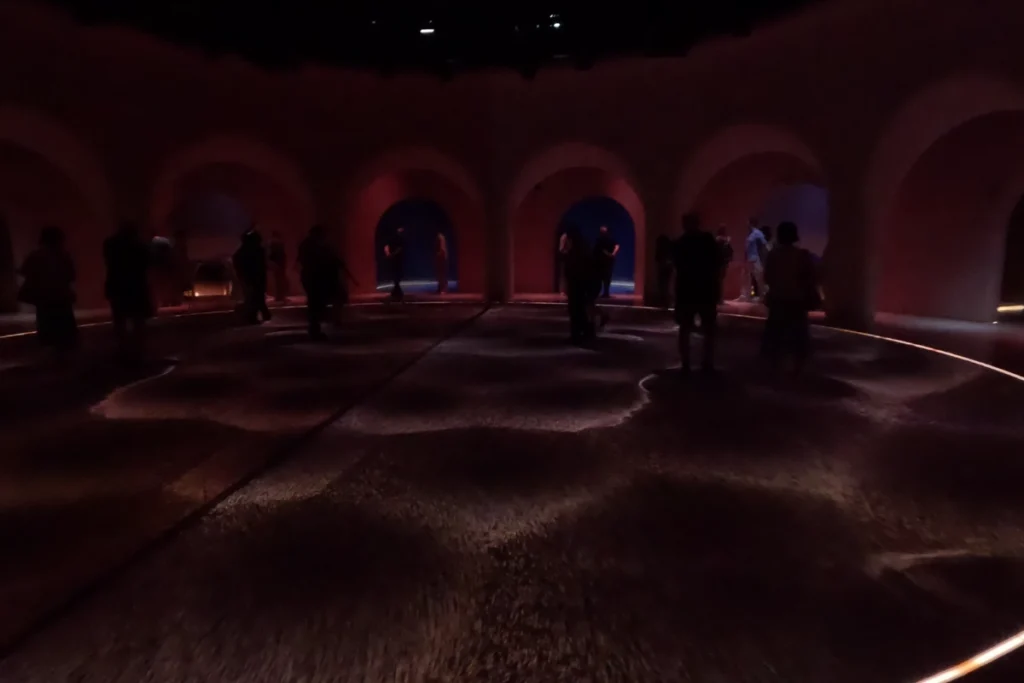
This is the part most reviews omit, and it’s the part that makes the museum genuinely significant rather than merely impressive.
We walked through rooms depicting futures where technology has replaced functions that living systems currently perform: food production without soil, habitation without weather, communication without physical presence. Each room was beautiful, efficient, and sterile. Each room systematically removed a layer of the natural world that every other destination we’ve written about depends on… forests that exist because of rain and soil, rivers that flow because of watersheds, crops that grow because ecosystems cooperate.
The museum doesn’t celebrate this. It presents solutions… but the solutions are synthetic, replacing broken systems with engineered ones. The DNA library is the sharpest example: preservation has shifted from protecting a living population to storing its code. Whether that constitutes saving or merely archiving is a question the museum poses and doesn’t answer. We’ve built a travel philosophy around inhabiting places rather than consuming them, and standing inside a building premised on the idea that those places may not survive in their current form produced the unsettlement. The museum isn’t wrong. It may be early.
Is It Worth It Compared to What Else the Money Buys?
The entry fee was AED 298 / INR 6,738 / USD 81 for two. Here is what the same amount buys elsewhere on a Dubai trip:
| Alternative | Approx. Cost (Two People) |
| Burj Khalifa sunset (124th–125th floor) | AED 270 / INR 6,102 / USD 73.50 |
| Dubai Mall Aquarium | AED 270 / INR 6,102 / USD 73.50 |
| Two dinners at a Bur Dubai restaurant | AED 51.50 / INR 1,164 / USD 14 |
| Desert safari (negotiated) | AED 150 / INR 3,400 / USD 41 |
While priced similarly to the Burj Khalifa at sunset or the Dubai Aquarium, the Museum of the Future operates on an entirely different intellectual wavelength. The Burj Khalifa gives you scale; the Aquarium gives you rich marine life; the museum gives you a lingering question that outlasts the trip itself. If you are travelling as a family or enjoy marine life, the Aquarium remains a worthwhile addition… but if forced to choose based on depth, prioritise the Museum of the Future first, followed by the Burj Khalifa at sunset. Among all the remarkable places we have stood inside since, this building offered a completely unique kind of reflection.
Practical Details
Location: Sheikh Zayed Road… easily recognisable by the torus shape and calligraphy façade.
Entry fee: AED 298 / INR 6,738 / USD 81 for two / approximately AED 149 per person (February 2024). According to the Museum of the Future’s official site, ticket prices are reviewed periodically… verify current rates before booking.
Time required: 90 minutes to two hours.
Arrival: We arrived at 9 AM and a crowd was already there. Verify current opening hours before you go… arrive early regardless.
Taxi from Bur Dubai: Approx. AED 25 / INR 565 / USD 6.80 one-way.
Combine with: Wings of Mexico sculpture at Downtown Dubai (Burj Plaza; free), then Dubai Mall for the Aquarium, shopping, and the Burj Khalifa sunset. This was our Day 3 sequence, and it worked as a full modern-Dubai itinerary day.
“Most travel changes how you look at the past; a rare few places change how you look at what hasn’t happened yet.”